Therapeutic equivalence in combination drugs isn't as simple as matching active ingredients. Dose differences, inactive ingredients, and narrow therapeutic index drugs can lead to dangerous errors. Learn how to manage substitutions safely.
Read more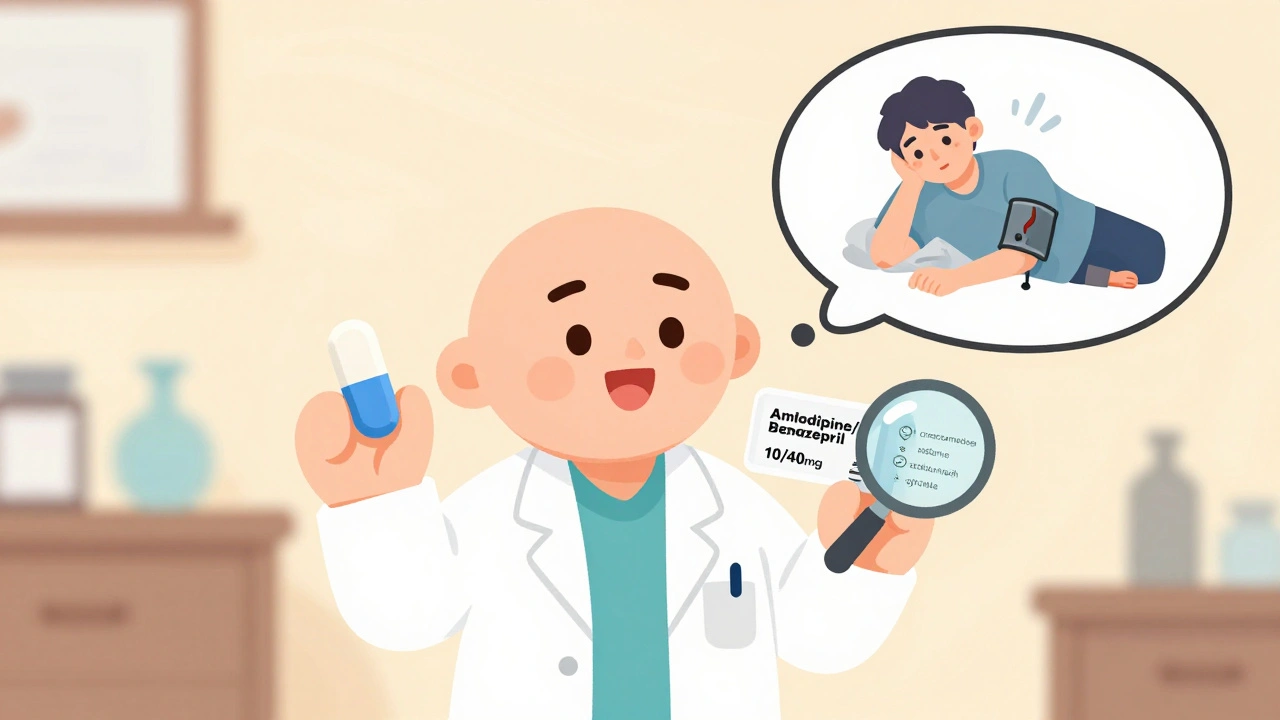
When you hear therapeutic equivalence, the official determination that two drugs produce the same clinical effect and safety profile in patients. Also known as bioequivalence, it's the backbone of how generic drugs get approved without repeating expensive clinical trials. This isn’t just a regulatory checkbox—it’s your assurance that a $5 pill can do the same job as a $50 one. But not all drugs are created equal, and therapeutic equivalence doesn’t mean the same thing for every medication.
For most drugs—like blood pressure pills, antibiotics, or antidepressants—therapeutic equivalence is straightforward. The FDA requires generic makers to prove their product releases the same amount of active ingredient into your bloodstream at the same rate as the brand. That’s called bioequivalence, a measurable standard based on how quickly and completely a drug is absorbed. If the numbers fall within 80% to 125% of the brand’s results, it’s considered equivalent. But for NTI drugs, narrow therapeutic index medications where small changes in dose can cause serious harm or treatment failure—like warfarin, lithium, or certain seizure meds—the rules are tighter. Even tiny differences in absorption can be dangerous. That’s why some doctors still prescribe brand names for these, even when generics are available.
Therapeutic equivalence doesn’t guarantee every patient will feel the same on a generic. People react differently to fillers, coatings, or release mechanisms—even if the active ingredient is identical. That’s why patient counseling, the conversation pharmacists have to explain why a generic was switched and what to watch for matters so much. A pharmacist who doesn’t explain the switch can unintentionally trigger anxiety, confusion, or even non-adherence. And when insurance companies force switches without checking for NTI risks, that’s when prior authorization, the bureaucratic hurdle insurers use to delay or deny generic substitutions becomes a real barrier to care.
The system works because of laws like the Hatch-Waxman Amendments, the 1984 law that created the modern generic drug approval process. It let generics enter the market faster, saving billions—but it also set up the testing rules that still guide today’s approvals. Still, supply chain issues, manufacturing delays, and inconsistent quality control sometimes break the chain. When a generic disappears from shelves, it’s not just an inconvenience—it can force people back to expensive brands or leave them without treatment entirely.
What you’ll find below are real stories and clear explanations about how therapeutic equivalence affects real people: from the patient who got a different generic and had a seizure, to the pharmacist who had to explain why a cheap pill didn’t work the same, to the insurer that denied a switch for a life-saving NTI drug. These aren’t theoretical debates. They’re daily realities in clinics, pharmacies, and homes. And understanding therapeutic equivalence could save you money—or even save your life.
Therapeutic equivalence in combination drugs isn't as simple as matching active ingredients. Dose differences, inactive ingredients, and narrow therapeutic index drugs can lead to dangerous errors. Learn how to manage substitutions safely.
Read more