Panic disorder involves sudden, intense panic attacks and often leads to agoraphobia. Learn what causes it, how it affects daily life, and the most effective treatments - including CBT and medication - backed by science.
Read more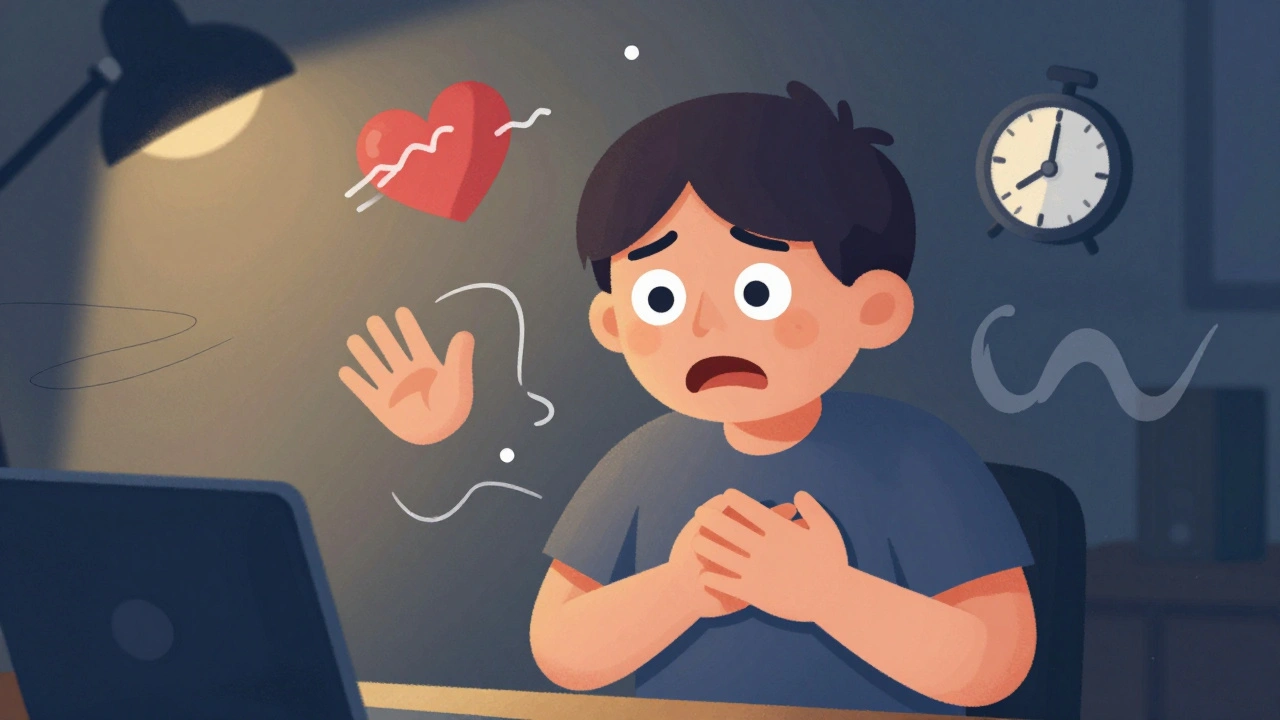
When doctors recommend SSRI treatment, a class of antidepressants that increase serotonin levels in the brain to improve mood and reduce anxiety. Also known as selective serotonin reuptake inhibitors, these drugs are among the most prescribed mental health medications in the U.S. They’re not magic pills, but for many people, they’re the first step back to feeling like themselves again.
SSRIs like Lexapro, a common SSRI used for depression and generalized anxiety disorder, sertraline, a widely used generic SSRI often prescribed for OCD and PTSD, and fluoxetine, the original Prozac and one of the longest-studied SSRIs work by helping your brain hold onto more serotonin—the chemical linked to feelings of calm and well-being. But they don’t work overnight. It usually takes 4 to 6 weeks before you notice real change, and some people need to try two or three different SSRIs before finding one that fits. Side effects like nausea, sleep changes, or lowered sex drive are common at first, but they often fade. The bigger risk? Stopping too soon. Many people quit because they don’t feel better right away, or because they’re scared of side effects. That’s when the real danger kicks in: untreated depression doesn’t disappear just because you stopped the pill.
Not everyone needs an SSRI. For mild symptoms, therapy or lifestyle changes might be enough. For others, combining an SSRI with talk therapy works better than either alone. And if one SSRI doesn’t help, switching to another—or adding a different kind of medication—isn’t failure, it’s science. The posts below cover what really happens when you start an SSRI, how generics compare to brand names, what to do if side effects stick around, and how to spot when you might need something else entirely. You’ll find real talk about cost, safety, and what to expect when your doctor says, "Let’s try an SSRI."
Panic disorder involves sudden, intense panic attacks and often leads to agoraphobia. Learn what causes it, how it affects daily life, and the most effective treatments - including CBT and medication - backed by science.
Read more