Panic disorder involves sudden, intense panic attacks and often leads to agoraphobia. Learn what causes it, how it affects daily life, and the most effective treatments - including CBT and medication - backed by science.
Read more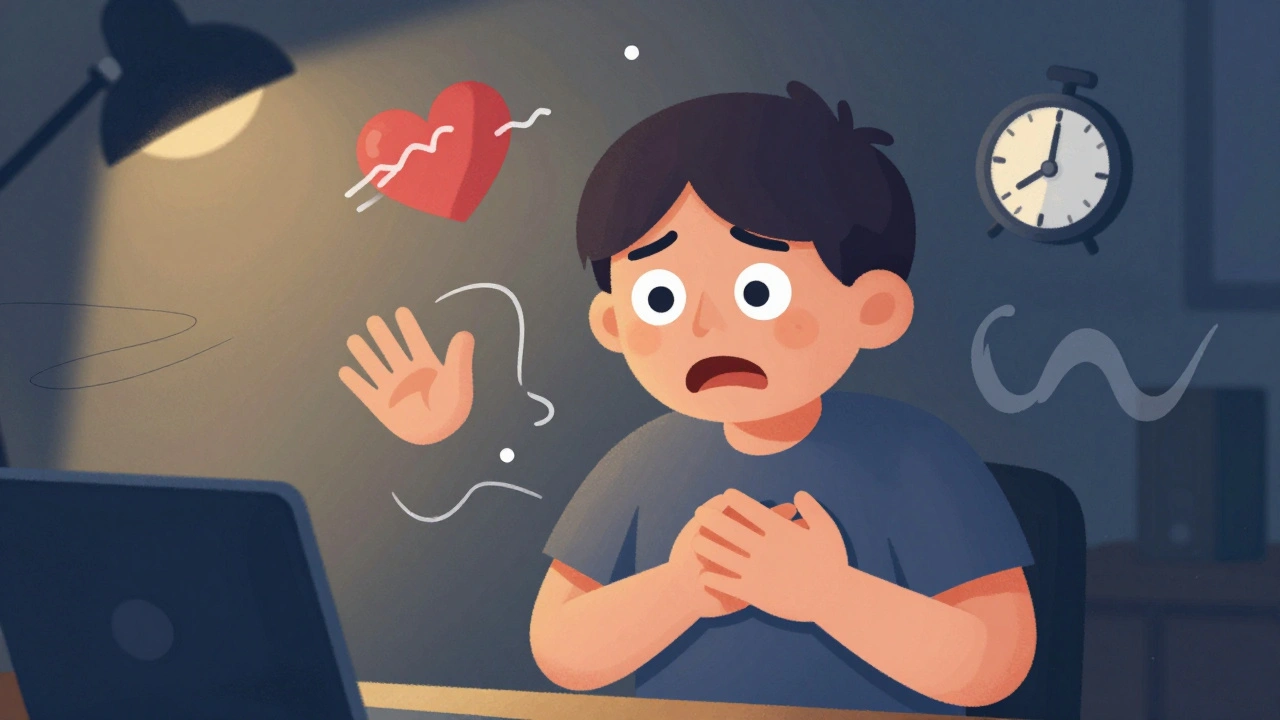
When your body screams danger but there’s no threat, you might be experiencing panic disorder, a condition where unexpected, intense fear strikes without warning, often accompanied by physical symptoms like a racing heart, sweating, or feeling like you’re losing control. Also known as panic attacks disorder, it’s not just being nervous—it’s your nervous system firing on full blast for no clear reason. Millions live with this, often thinking they’re having a heart attack or going crazy. But panic disorder is real, treatable, and far more common than most people admit.
It often shows up with anxiety attacks, sudden episodes of overwhelming fear that peak within minutes and include shaking, dizziness, chest pain, or fear of dying. These aren’t just stress responses—they’re neurological events that can happen while you’re sitting still, driving, or even sleeping. Many people avoid places or situations because they fear another attack, which can lead to agoraphobia. The good news? Research shows SSRIs, a class of antidepressants like sertraline and escitalopram that help regulate brain chemicals tied to fear and mood work just as well as brand-name drugs for reducing attack frequency. And cognitive behavioral therapy, a structured, evidence-based talk therapy that teaches you to recognize and reframe panic triggers has been proven in clinical studies to stop panic attacks for good in over 70% of cases—without pills.
What’s missing from most conversations is how often panic disorder overlaps with other conditions. It’s not rare to have it alongside depression, chronic pain, or even gastrointestinal issues. That’s why some of the most helpful posts here dive into how medication interactions, therapy techniques, and even how you take your pills can make a difference. You’ll find real advice on how to spot the difference between a panic attack and something more serious, how to talk to your doctor about switching meds, and why some people do better with generics than others. This isn’t about quick fixes. It’s about understanding your body’s signals, knowing what treatments actually work, and learning how to take back control—one breath at a time.
Panic disorder involves sudden, intense panic attacks and often leads to agoraphobia. Learn what causes it, how it affects daily life, and the most effective treatments - including CBT and medication - backed by science.
Read more