Your daily feedback on how a drug affects you is now a critical part of drug safety. Learn how patient-reported outcomes help regulators catch side effects early, improve treatment, and make medicines safer for everyone.
Read more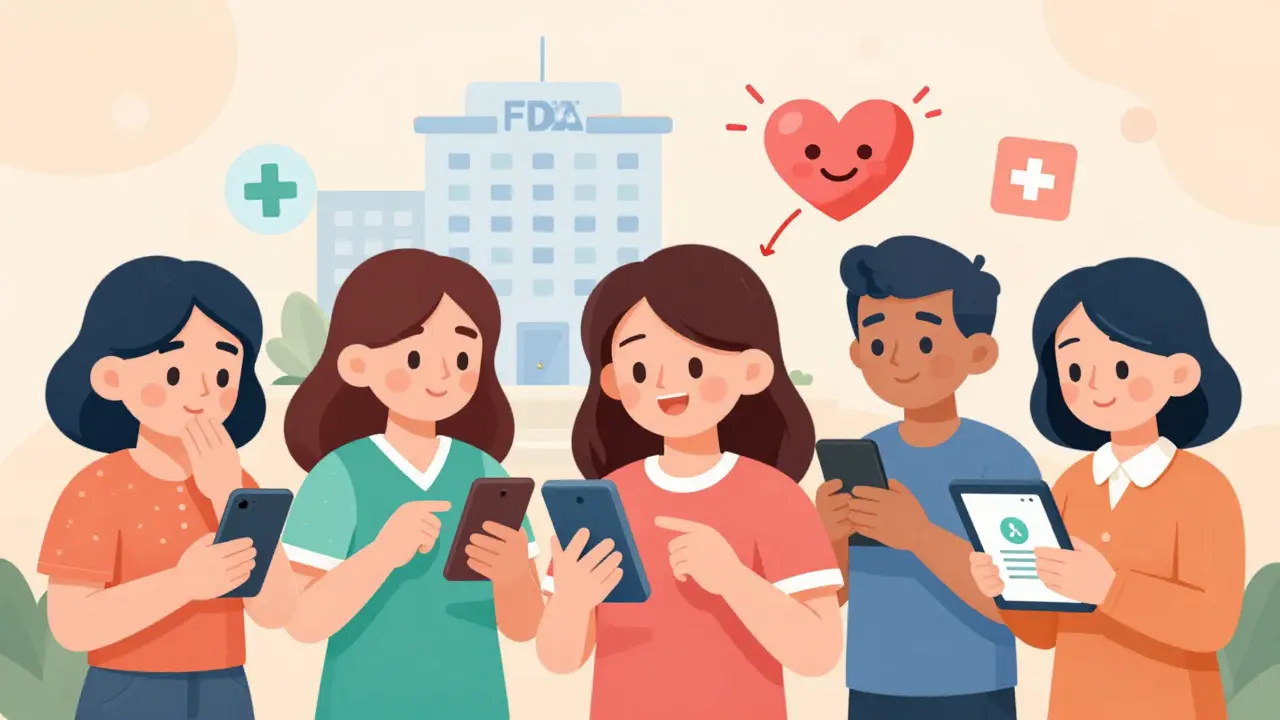
When you take a pill, you trust it won’t hurt you—but drug safety, the practice of using medications in ways that minimize harm while maximizing benefit. Also known as medication safety, it’s not just about avoiding overdoses. It’s about understanding how your drugs talk to each other, what happens when supply chains break, and why some treatments carry silent risks. Every year, millions of people end up in emergency rooms not because they took too much, but because they didn’t know their blood pressure pill could turn their muscles to jelly when mixed with a common statin.
Medication interactions, harmful reactions when two or more drugs, supplements, or even foods affect each other in the body. Also known as drug-drug interactions, they’re one of the most underestimated dangers in modern medicine. Think of your body as a busy highway—each drug is a car. Add the wrong combo, and you get a pileup. Chemo drugs can crash into herbal supplements. Antibiotics like minocycline can lose power if taken with dairy. Steroid eye drops, while great for swelling, can quietly raise eye pressure until you’re at risk for glaucoma. And with generic drugs, lower-cost versions of brand-name medications that must meet the same FDA standards. Also known as off-patent drugs, they’re essential for keeping healthcare affordable., supply chain issues mean those pills might not even be there when you need them. The same factories that make your cheap blood pressure med also supply hospitals overseas—and if one plant shuts down, entire countries face shortages.
Then there’s antibiotic resistance, when bacteria evolve to survive drugs designed to kill them. Also known as superbugs, this isn’t science fiction—it’s happening right now. A simple skin infection like impetigo might need a stronger antibiotic than it did five years ago. Cellulitis? Same story. Using the wrong one doesn’t just waste time—it makes the problem worse. And when you buy cheap generic Paxil or Lexapro online, you’re not just saving money—you’re gambling on whether the pill actually contains what it claims. Fake meds are real. So are the side effects of unmonitored steroid eye drops, statin-induced muscle damage, or thyroid changes from diabetes drugs like canagliflozin.
Drug safety isn’t about fear. It’s about awareness. It’s knowing that your painkiller might not be safe if you’re on blood thinners. That your antidepressant could interact with a supplement you bought because it was "natural." That the cheapest generic might be the one with the shortest shelf life or the weakest quality control. The posts below cover real cases—people who learned the hard way, doctors who’ve seen the patterns, and the science behind why some drugs are riskier than others. You’ll find clear guides on spotting dangerous interactions, choosing safer alternatives, and protecting yourself when the system isn’t working perfectly. This isn’t theoretical. It’s what keeps you alive.
Your daily feedback on how a drug affects you is now a critical part of drug safety. Learn how patient-reported outcomes help regulators catch side effects early, improve treatment, and make medicines safer for everyone.
Read more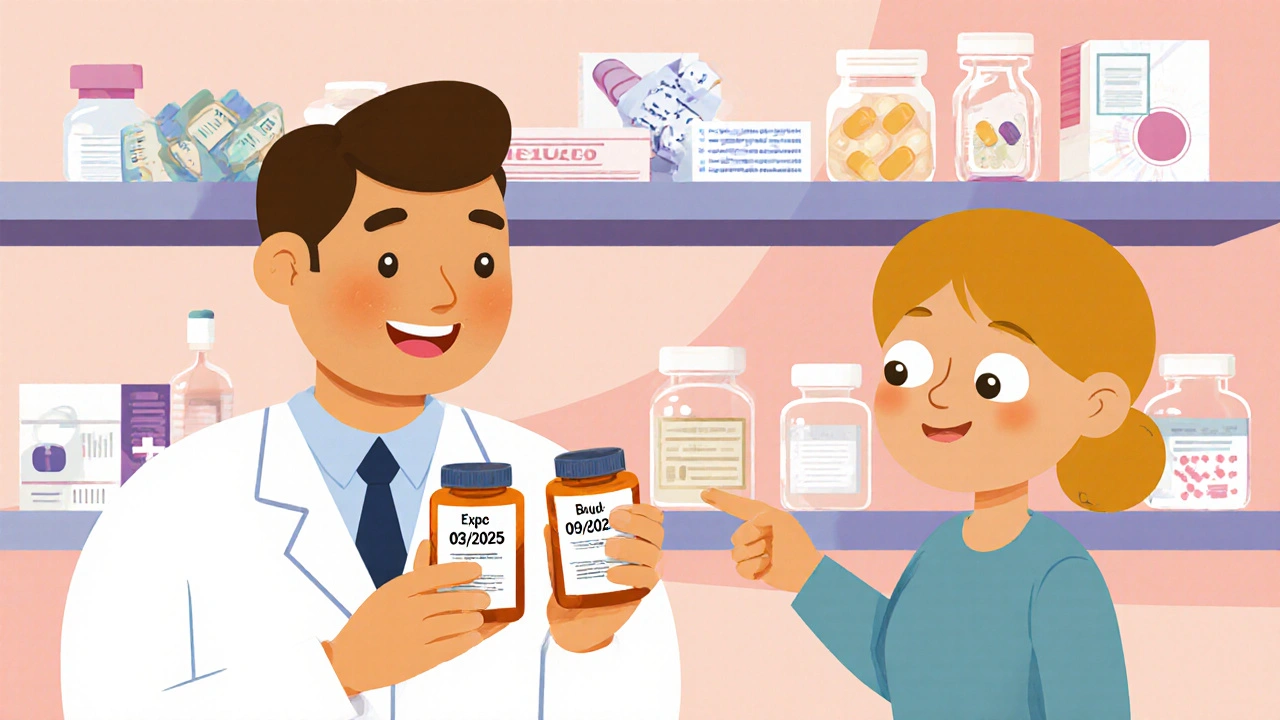
Learn how to tell the difference between manufacturer expiration dates and pharmacy beyond-use dates for compounded medications. Know when your medicine is still safe-and when it’s not.
Read more