Therapeutic equivalence in combination drugs isn't as simple as matching active ingredients. Dose differences, inactive ingredients, and narrow therapeutic index drugs can lead to dangerous errors. Learn how to manage substitutions safely.
Read more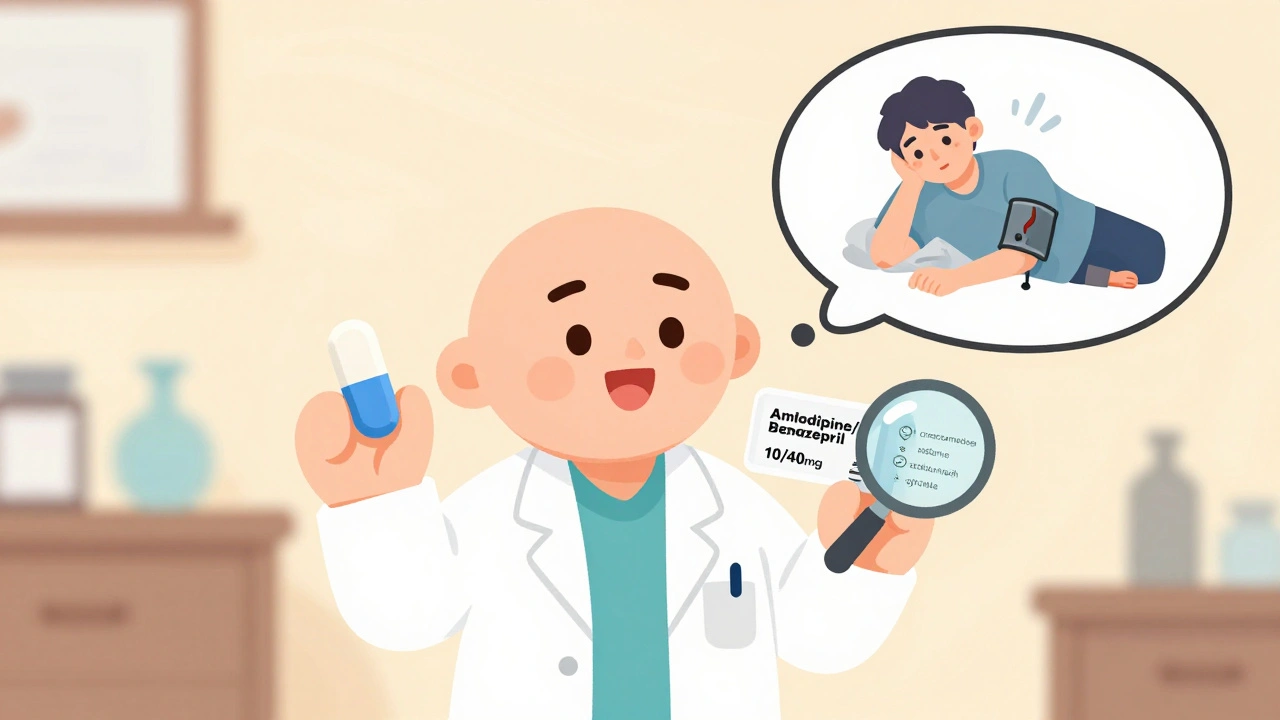
When you hear dose equivalents, the amount of one drug that produces the same effect as another drug. Also known as therapeutic equivalents, it’s not just about matching pill sizes—it’s about making sure your body gets the same clinical result, whether you’re taking a brand-name drug or its cheaper copy. This matters every time you refill a prescription, switch pharmacies, or get a new doctor. A 10mg pill of one drug doesn’t always equal a 10mg pill of another—even if they treat the same condition.
That’s where bioequivalence, how closely a generic drug matches the brand-name version in how fast and how much it enters your bloodstream. Also known as pharmacokinetic similarity, it’s the science the FDA uses to approve generics. But bioequivalence isn’t foolproof. For drugs with a narrow therapeutic index, medications where even tiny changes in blood levels can cause side effects or treatment failure. Also known as NTI drugs, examples include warfarin, lithium, and some seizure meds, small differences in absorption can be dangerous. That’s why some insurers still require brand-name versions—even when generics are cheaper and approved. And that’s why pharmacists are trained to explain these risks clearly when handing you a new bottle.
Switching between drugs isn’t just about pills. It’s about dosage conversion, the math used to change from one medication to another while keeping the same effect. Also known as equianalgesic dosing, this is critical when moving from one painkiller to another, or from an antidepressant to a different SSRI. A doctor might say, "Switch from 20mg of Lexapro to 50mg of Zoloft"—but that’s not a 1:1 swap. It’s based on clinical studies, patient history, and how your body handles each drug. Get this wrong, and you risk under-treatment, overdose, or nasty side effects.
These aren’t theoretical concerns. People get hospitalized because they switched generics without understanding dose equivalents. Others stop taking meds because they think the new pill "doesn’t work"—when it’s actually the same strength, just a different manufacturer. The truth? Most generics work just fine. But for some drugs, especially those used in heart disease, mental health, or chronic pain, the difference between 80% and 100% absorption can be life-changing.
What you’ll find below are real stories and clear explanations about how dose equivalents affect your health. From why some insurance companies fight generic switches, to how pharmacists help you avoid dangerous mistakes, to what the science really says about generic effectiveness—you’ll see how these small numbers on your prescription bottle have big consequences.
Therapeutic equivalence in combination drugs isn't as simple as matching active ingredients. Dose differences, inactive ingredients, and narrow therapeutic index drugs can lead to dangerous errors. Learn how to manage substitutions safely.
Read more