Therapeutic equivalence in combination drugs isn't as simple as matching active ingredients. Dose differences, inactive ingredients, and narrow therapeutic index drugs can lead to dangerous errors. Learn how to manage substitutions safely.
Read more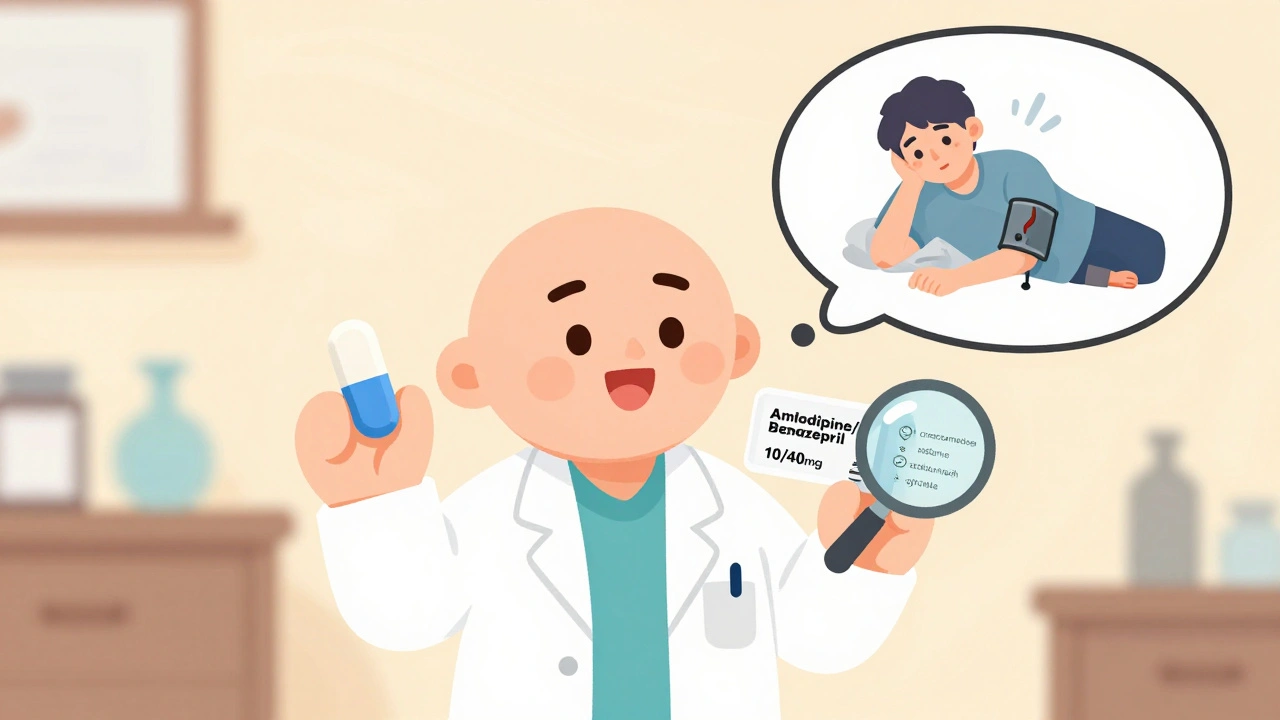
When you take a combination drug, a single medication that contains two or more active ingredients designed to work together. Also known as fixed-dose combinations, these pills are built to treat complex conditions with fewer tablets—making it easier to stick to your regimen. They’re not just convenient. In many cases, they’re the only way to get the right balance of effects without overwhelming your body.
Think of blood pressure meds like combination drugs that mix an ACE inhibitor with a diuretic. Or HIV treatments that bundle three antivirals into one daily pill. These aren’t random mixes. Each ingredient is chosen because it boosts the other’s effect or counters its side effect. But here’s the catch: if one part of the combo fails—say, due to a supply issue or bioequivalence gap—the whole treatment can stumble. That’s why the FDA requires strict testing for these pills, just like single-drug generics. Bioequivalence isn’t just a buzzword; it’s what keeps you safe when your doctor prescribes a combo instead of separate pills.
Combination drugs also show up in pain relief, mental health, and even diabetes care. You’ll find them in pills that mix metformin with a GLP-1 agonist, or antidepressants paired with anti-anxiety agents. But they’re not always the answer. Sometimes, mixing drugs increases the risk of side effects you wouldn’t get with single ingredients. That’s why pharmacists are trained to flag interactions—like when a combo drug includes an ingredient that reacts badly with your other meds. And if you’re switching from brand to generic, you need to know: even small differences in absorption can throw off the balance of a combo drug, especially if it’s meant for a narrow therapeutic window.
What you’ll find in the posts below isn’t just a list of articles. It’s a practical guide to how these drugs are made, tested, prescribed, and sometimes misunderstood. You’ll see how patent laws shape what’s available, how generic versions are held to the same standards, and why some patients end up stuck with brand-name combos because insurers won’t cover the cheaper version. You’ll also learn what to ask your pharmacist, how to spot dangerous interactions, and why some combo drugs work better for some people than others. This isn’t theory. It’s what’s happening in clinics, pharmacies, and homes every day.
Therapeutic equivalence in combination drugs isn't as simple as matching active ingredients. Dose differences, inactive ingredients, and narrow therapeutic index drugs can lead to dangerous errors. Learn how to manage substitutions safely.
Read more