Panic disorder involves sudden, intense panic attacks and often leads to agoraphobia. Learn what causes it, how it affects daily life, and the most effective treatments - including CBT and medication - backed by science.
Read more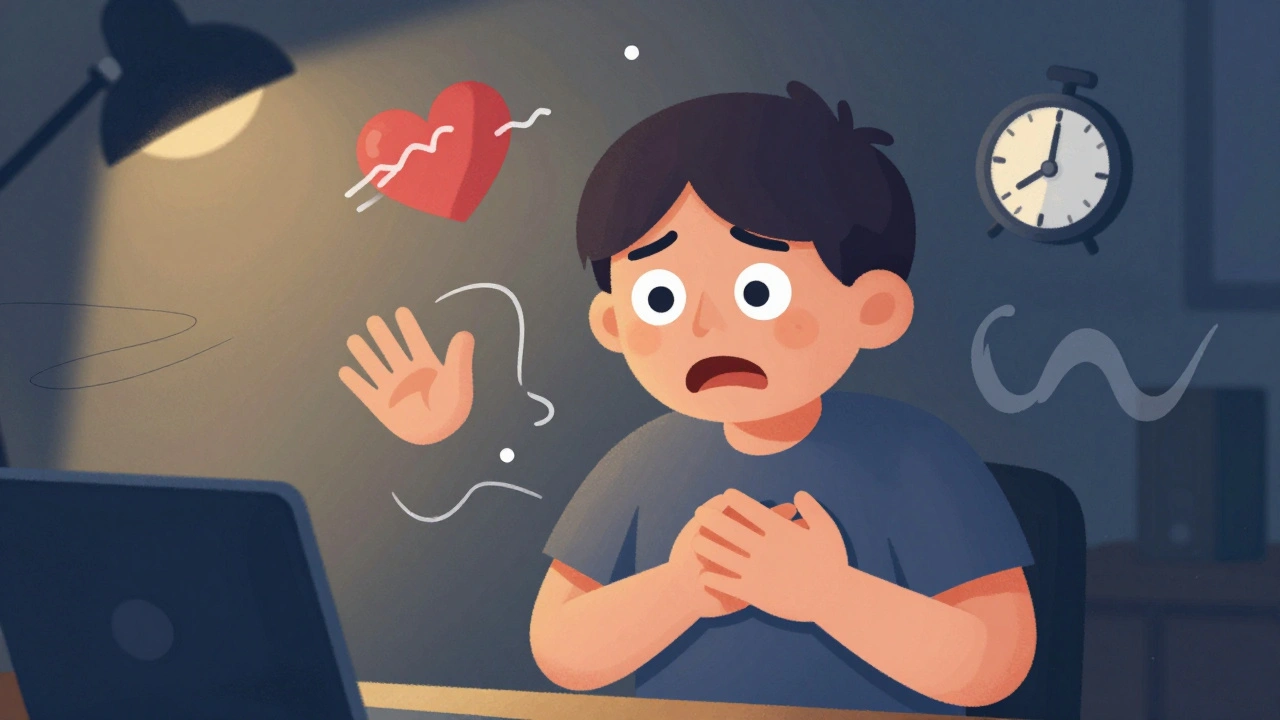
When panic hits, your body screams danger—even when there’s none. Cognitive Behavioral Therapy, a structured, evidence-based approach that changes how you think and react to fear. Also known as CBT, it’s the most effective non-medication treatment for panic attacks, backed by decades of clinical research. Unlike drugs that mask symptoms, CBT teaches your brain to stop misreading harmless physical sensations—like a racing heart or shortness of breath—as signs of a heart attack or losing control.
Panic disorder doesn’t just happen out of nowhere. It grows from a cycle: a physical sensation triggers fear, fear makes the sensation worse, and fear of the next attack keeps you stuck. Panic attacks, sudden episodes of intense fear with physical symptoms like trembling, chest pain, or dizziness, are the symptom. But the real problem is the anxiety treatment, the mental habits that keep fear alive. CBT breaks that cycle by teaching you to recognize the thoughts that fuel panic—like "I’m going to die" or "I can’t handle this"—and replace them with facts. It’s not about positive thinking. It’s about accurate thinking.
You’ll learn to face the physical feelings you’ve been avoiding, not by forcing yourself into panic, but by slowly, safely, practicing with guidance. Breathing exercises, exposure to sensations like dizziness or rapid heartbeat, and tracking triggers turn panic from a surprise attack into a manageable reaction. Studies show that after 12 weeks of CBT, up to 80% of people see major improvement—and the gains last long after therapy ends.
What you’ll find in the posts below are real-world insights from people who’ve used CBT to take back control. You’ll see how therapists guide patients through exposure, how thought records help untangle fear, and why some people still struggle even with the right tools. You’ll also learn how CBT connects to other treatments—like medication, lifestyle changes, and even how pain catastrophizing can make anxiety worse. This isn’t theory. These are the tools that work, tested in clinics and in daily life.
Panic disorder involves sudden, intense panic attacks and often leads to agoraphobia. Learn what causes it, how it affects daily life, and the most effective treatments - including CBT and medication - backed by science.
Read more