Prior authorization for NTI drugs often delays life-saving medications despite clinical evidence showing generics can be dangerous. Learn why insurers require brand-name versions and what patients can do to get faster access.
Read more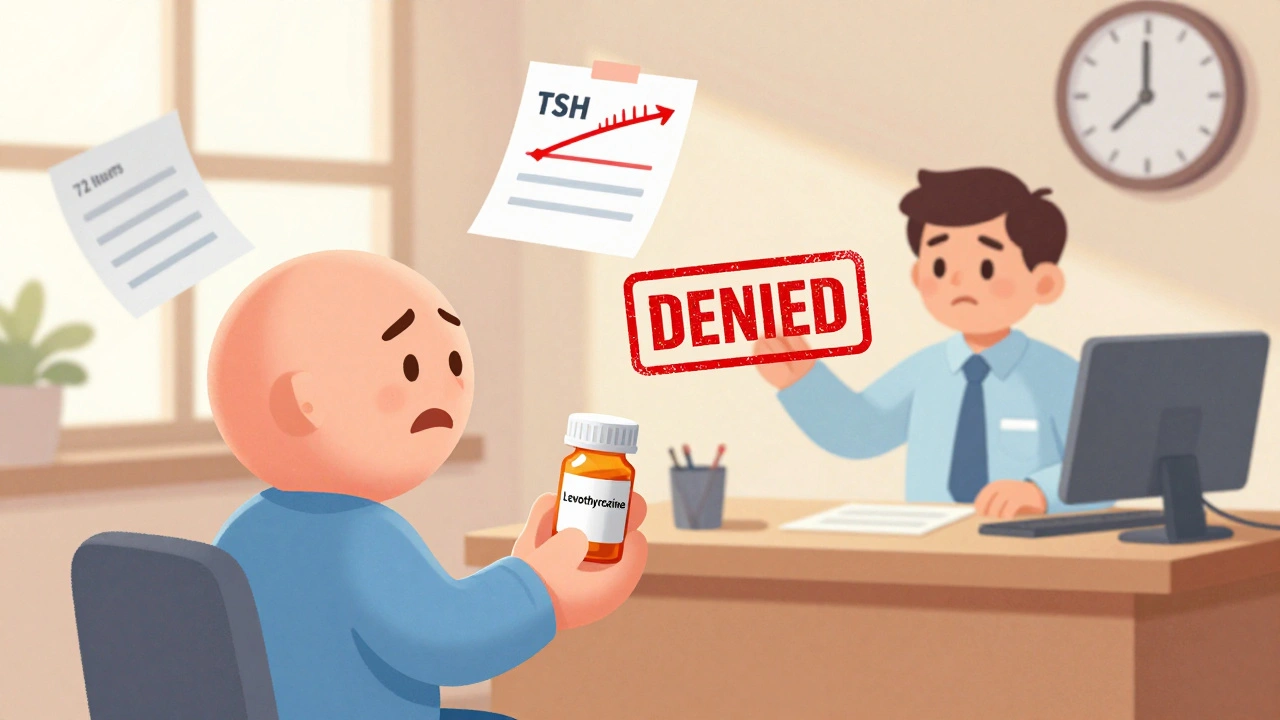
When you hear brand-name medications, prescription drugs sold under a company’s trademark name after years of research and development. Also known as originator drugs, they’re the first versions of a medicine to hit the market—like Lipitor for cholesterol or Paxil for depression. These drugs carry high prices because the company that created them spent millions on clinical trials, marketing, and patent protection. But here’s the thing: once the patent runs out, other companies can make the exact same drug—just without the fancy name or price tag.
The Hatch-Waxman Act, a 1984 U.S. law that balanced drug innovation with affordable access changed everything. Before it, generic drug makers had to repeat expensive clinical trials just to prove their version worked. After Hatch-Waxman, they only needed to show bioequivalence—that their pill absorbs into the body the same way as the brand. That’s where bioequivalence, the scientific standard proving generic and brand drugs perform identically in the body comes in. The FDA requires generics to deliver the same active ingredient, in the same strength, at the same rate. Most of the time, they’re interchangeable. But for drugs with a narrow therapeutic window—like warfarin or thyroid meds—small differences can matter, which is why some doctors still recommend sticking with the brand.
Meanwhile, drug patents, legal protections that give companies exclusive rights to sell a drug for 20 years keep prices high. Some companies stretch these patents with minor changes—like switching from a pill to a liquid—called evergreening. That’s why you might see a brand-name drug still on the market years after its original patent expired. But once those protections fall away, generics flood in, often cutting costs by 80% or more.
You don’t need to pay more just because a drug has a well-known name. The science says generics work. The FDA says they’re safe. And millions of people use them every day without issue. What you’re paying for with brand-name meds isn’t better results—it’s advertising, packaging, and corporate overhead. The real question isn’t whether generics are as good. It’s why you’re still being asked to pay twice as much.
Below, you’ll find real-world guides on how generics are tested, how patents affect your access, what to watch for when switching, and why some medications still cost more than others—even when the active ingredient is identical. Whether you’re managing a chronic condition, trying to stretch your budget, or just wondering why your prescription changed, these posts cut through the noise and give you the facts you need to make smarter choices.
Prior authorization for NTI drugs often delays life-saving medications despite clinical evidence showing generics can be dangerous. Learn why insurers require brand-name versions and what patients can do to get faster access.
Read more