Generic drug shortages are rising due to fragile supply chains, low profit margins, and overreliance on foreign manufacturing. Learn why essential medications keep disappearing-and what’s being done to fix it.
Read more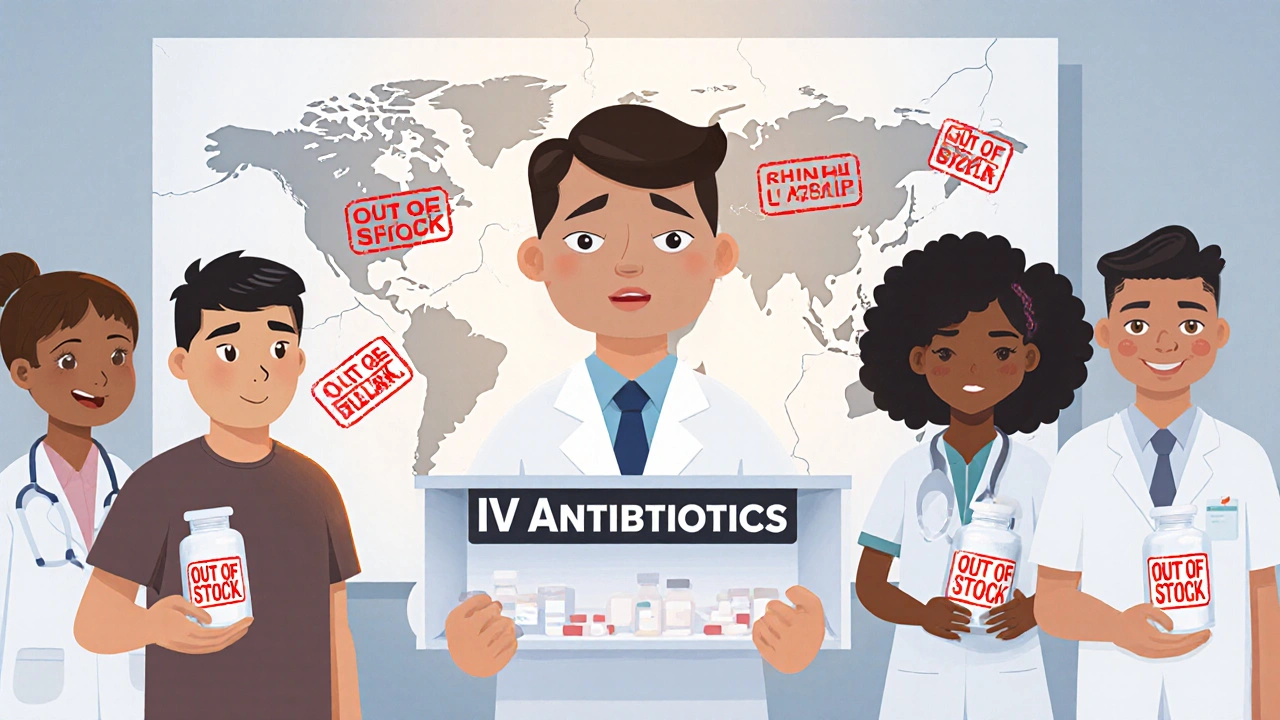
When you buy a generic drug, you’re not just getting a cheaper version—you’re getting a medicine made from an active pharmaceutical ingredient, the core chemical that makes a drug work. Also known as API, it’s the part of the pill that actually treats your condition—whether it’s lowering blood pressure, killing bacteria, or balancing mood. What most people don’t realize is that this single ingredient is often made halfway across the world, in facilities that follow different rules than the ones you see in your local pharmacy. That’s where API manufacturing, the process of producing the raw chemical compound used in medications comes in. It’s not flashy, but it’s the foundation of every generic drug you take.
API manufacturing isn’t just about mixing powders. It’s a precise, multi-step chemical process that requires strict control over temperature, purity, and contamination. Even a tiny impurity can turn a life-saving drug into a dangerous one. That’s why the FDA and other global health agencies inspect these facilities—even if they’re in India, China, or elsewhere. But here’s the catch: not all API makers are held to the same standard. Some cut corners, and that’s why your generic pill might work perfectly one month and cause side effects the next. The pharmaceutical production, the full process of turning APIs into finished medications you see at your pharmacy is just the last step. The real story starts in a factory far away, where cost pressures often drive decisions that affect your safety.
When you read about drug recalls, expired pills, or unsafe generics, it’s almost always tied back to problems in API manufacturing. That’s why posts on this page dive into real issues: how patent laws let generics enter the market, why some cheap meds fail, and how to tell if your drug was made under proper conditions. You’ll find breakdowns of how drugs like albenza, minocycline, and even statins are made, what goes wrong, and how to protect yourself. Whether you’re managing chronic pain, high blood pressure, or mental health, knowing where your medicine comes from helps you make smarter choices. You’re not just buying a pill—you’re trusting a whole chain of people and processes you can’t see. This page gives you the facts to trust the right ones.
Generic drug shortages are rising due to fragile supply chains, low profit margins, and overreliance on foreign manufacturing. Learn why essential medications keep disappearing-and what’s being done to fix it.
Read more