Panic disorder involves sudden, intense panic attacks and often leads to agoraphobia. Learn what causes it, how it affects daily life, and the most effective treatments - including CBT and medication - backed by science.
Read more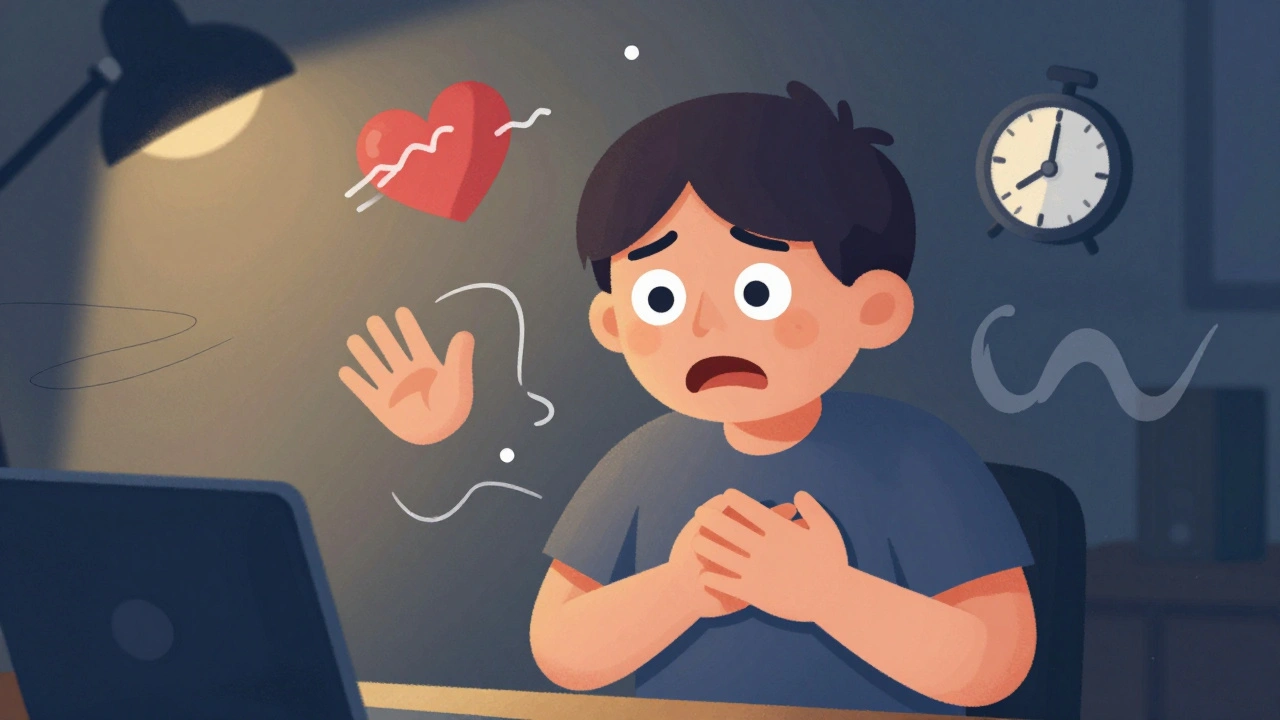
When someone has agoraphobia, a type of anxiety disorder where fear of places or situations feels overwhelming and unsafe. Also known as fear of open or crowded spaces, it’s not just about being afraid of leaving the house—it’s about the dread of being trapped, helpless, or unable to escape if panic strikes. Many people with agoraphobia avoid buses, malls, bridges, or even standing in line. The fear isn’t irrational to them—it’s a physical, gut-wrenching certainty that something terrible will happen if they step outside their safe zone.
This condition often shows up alongside panic attacks, sudden episodes of intense fear that come with racing heart, sweating, and feeling like you’re losing control or dying. These attacks can happen anywhere, but once they start happening in public, the brain starts linking those places with danger. Over time, the person begins avoiding more and more places to prevent another attack. It’s not laziness or shyness—it’s the brain’s survival system gone haywire. Many people live with this for years before getting help, because they don’t realize it’s a treatable medical condition, not a personal weakness. The good news? SSRIs, a class of antidepressants that help regulate brain chemicals linked to anxiety and mood. Also known as selective serotonin reuptake inhibitors, they’re one of the most effective first-line treatments for agoraphobia, helping reduce the frequency and intensity of panic episodes. Drugs like sertraline or escitalopram don’t make you feel "happy"—they take the edge off the fear, giving you the mental space to start working on the real issue: retraining your brain.
Medication alone isn’t enough. The most successful recovery stories combine SSRIs with cognitive behavioral therapy, a structured form of talk therapy that helps people identify and change harmful thought patterns. Also known as CBT, it teaches you to challenge the catastrophic thoughts that fuel agoraphobia—like "If I go outside, I’ll collapse and no one will help me"—and replace them with realistic, evidence-based thinking. Therapy doesn’t force you to jump into crowds right away. It starts small: stepping to the front door, then the porch, then the sidewalk. Each step is a victory. And when medication lowers the panic response, those steps become possible.
What you’ll find in the posts below are real, practical insights into how anxiety disorders like agoraphobia are treated—not just with pills, but with understanding, timing, and smart medical decisions. You’ll see how drug interactions, patient counseling, and even insurance rules can affect recovery. Whether you’re dealing with this yourself, supporting someone who is, or just trying to understand how mental health care works in the real world, these articles cut through the noise and show you what actually helps.
Panic disorder involves sudden, intense panic attacks and often leads to agoraphobia. Learn what causes it, how it affects daily life, and the most effective treatments - including CBT and medication - backed by science.
Read more