Suicidal Ideation Monitoring: What Works, What Doesn't, and How to Stay Safe
When someone is struggling with suicidal ideation, persistent thoughts about ending one’s life, often linked to depression, trauma, or chronic illness. Also known as suicidal thoughts, it’s not a phase—it’s a medical signal that needs attention, not judgment. Monitoring these thoughts isn’t about surveillance; it’s about catching the warning signs before they turn into action. Studies show that people who feel heard and tracked—by clinicians, family, or even digital tools—are significantly less likely to act on those thoughts. The goal isn’t to eliminate all dark thoughts, but to create a safety net so they don’t lead to irreversible choices.
Effective suicidal ideation monitoring, a structured approach to tracking changes in mood, behavior, and verbal cues over time relies on three things: consistency, communication, and context. It’s not just about asking, "Are you thinking about suicide?"—though that question matters. It’s about noticing when someone stops answering texts, skips meds, or talks about being a burden. For people on antidepressants, medications like SSRIs that can take weeks to work and sometimes increase risk in the first few weeks, monitoring is critical. The FDA warns that young adults starting these drugs may see a temporary spike in suicidal thinking before improvement kicks in. That’s why weekly check-ins in the first month aren’t optional—they’re lifesaving.
There’s no single tool that catches every risk. Some use paper journals, others apps that track mood daily. Clinicians use scales like the Columbia Suicide Severity Rating Scale, which asks specific questions about intent, plan, and access to means. But the most powerful tool? A person who knows the signs and isn’t afraid to ask. If someone you care about suddenly stops talking about the future, or starts giving away prized possessions, don’t wait for them to say it out loud. Reach out. Stay with them. Call a crisis line. These aren’t extreme measures—they’re basic human responses to a medical emergency.
What you’ll find in the posts below isn’t a list of theories. It’s real, practical info from people who’ve been there—whether it’s understanding how generic antidepressants affect mood stability, how medication interactions can worsen mental health, or why some treatments help one person and not another. You’ll see how pain catastrophizing, when physical pain triggers overwhelming fear and hopelessness can feed into suicidal thinking, and how tools that help manage chronic pain also ease emotional burden. You’ll learn about the hidden risks of certain meds, the importance of consistent dosing, and how even small changes in routine can tip the scale toward safety or crisis. This isn’t about fixing everything at once. It’s about building small, reliable habits that keep someone alive until the next step becomes clear.
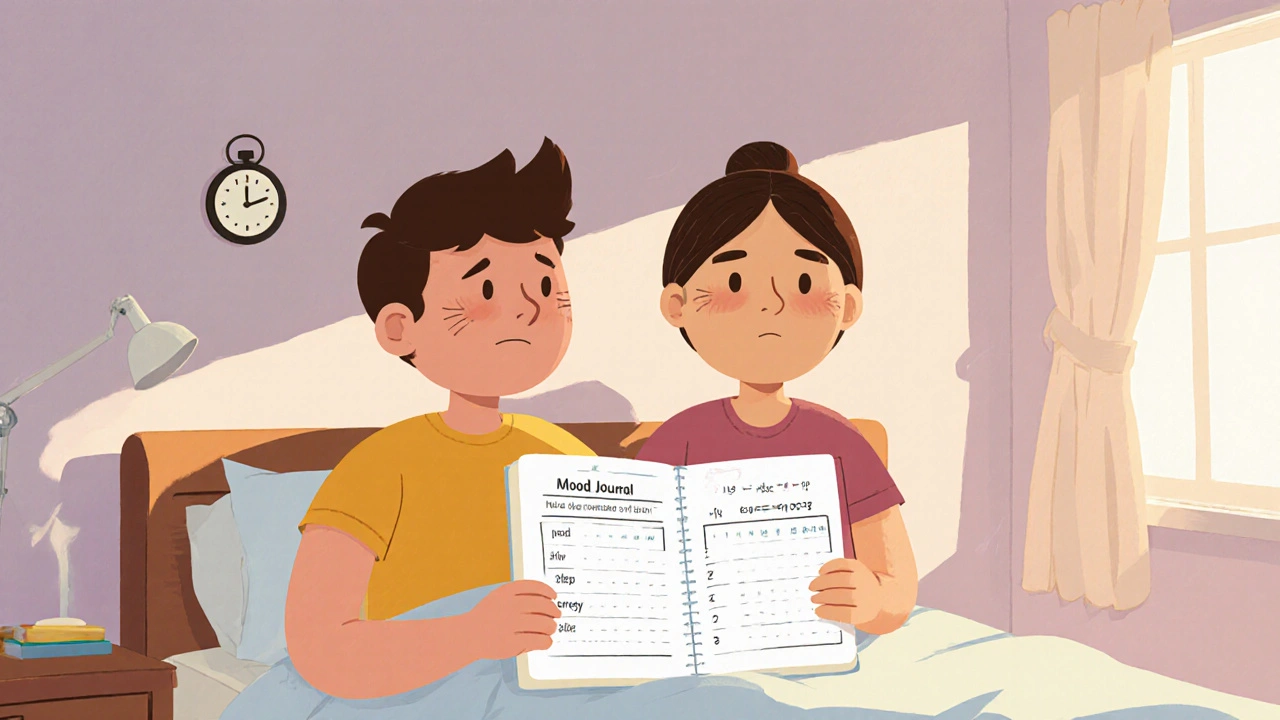
Psychiatric medications can help teens with depression and anxiety-but they also carry a risk of increasing suicidal thoughts, especially early in treatment. Learn how to monitor for warning signs, when to act, and what protocols actually work.
Read more