Steroid eye drops reduce inflammation quickly but carry serious risks like glaucoma and cataracts if used too long. Learn how to use them safely with proper monitoring and when to seek help.
Read more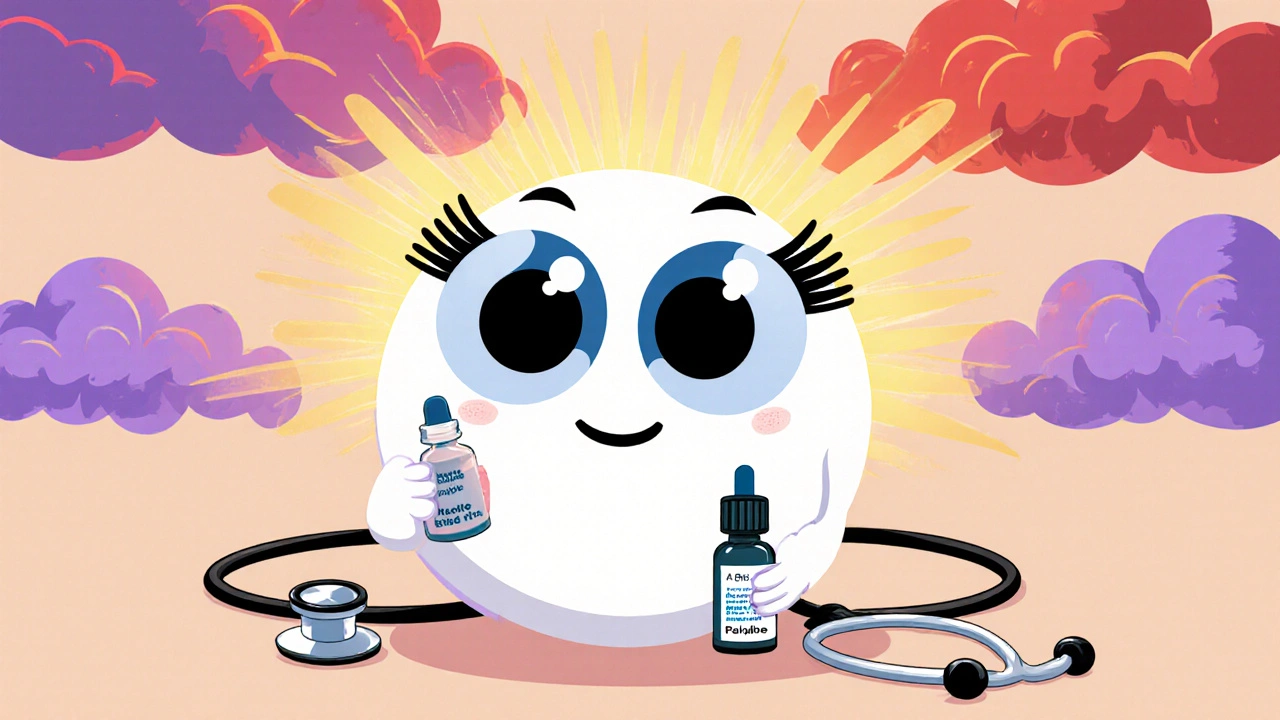
When you use steroid-induced glaucoma, a type of eye pressure damage caused by corticosteroid medications. Also known as corticosteroid glaucoma, it doesn’t come from genetics or aging—it comes from treatment. If you’ve been prescribed steroid eye drops for allergies, inflammation, or after eye surgery, or taken oral steroids for asthma, arthritis, or skin conditions, you might be at risk—even if you feel fine.
This isn’t rare. Studies show up to 40% of people who use steroid eye drops long-term see their eye pressure rise. Not everyone develops glaucoma, but those with a family history of glaucoma, diabetes, or high myopia are more likely to. The problem? It often has no symptoms until vision loss starts. You won’t feel pain. You won’t notice blurry vision right away. By the time you do, damage may be permanent. That’s why regular eye checks matter, especially if you’re on steroids for more than a few weeks.
corticosteroids, powerful anti-inflammatory drugs used in pills, injections, creams, and eye drops are the main trigger. Even low-dose steroid eye drops like prednisolone or dexamethasone can raise pressure over time. The same goes for nasal sprays and skin creams used near the eyes. Your body’s drainage system for eye fluid gets clogged, pressure builds, and the optic nerve slowly gets damaged. It’s not the steroid itself—it’s how your eyes respond to it. Some people handle it fine. Others don’t. There’s no way to know until you get tested.
glaucoma treatment, the medical and surgical options used to lower eye pressure and protect vision for steroid-induced cases is similar to other types: eye drops to reduce fluid, laser therapy to open drainage, or surgery if needed. But the first step is always stopping or reducing the steroid—if your doctor says it’s safe. Sometimes switching to a non-steroid alternative, like cyclosporine eye drops for inflammation, can help. Monitoring pressure every few weeks is critical. You can’t guess your eye health—you need measurements.
Many people don’t realize steroid eye drops aren’t harmless. They’re used for quick relief, so users assume short-term use is safe. But even two weeks of daily drops can be enough to trigger pressure spikes. And if you’re on long-term oral steroids for autoimmune disease, your risk stays high. That’s why eye doctors ask about your meds—not just your symptoms. They’re looking for hidden causes, not just signs.
If you’re using any steroid product and haven’t had your eye pressure checked in the last six months, it’s time. Don’t wait for blurry vision or blind spots. Get a simple, painless test. It takes five minutes. It could save your sight. The posts below cover real cases, safer alternatives to steroids, how to talk to your doctor about monitoring, and what to do if you’ve already been diagnosed. You’re not alone. And you don’t have to accept vision loss as the price of treatment.
Steroid eye drops reduce inflammation quickly but carry serious risks like glaucoma and cataracts if used too long. Learn how to use them safely with proper monitoring and when to seek help.
Read more