Generic drug shortages are rising due to fragile supply chains, low profit margins, and overreliance on foreign manufacturing. Learn why essential medications keep disappearing-and what’s being done to fix it.
Read more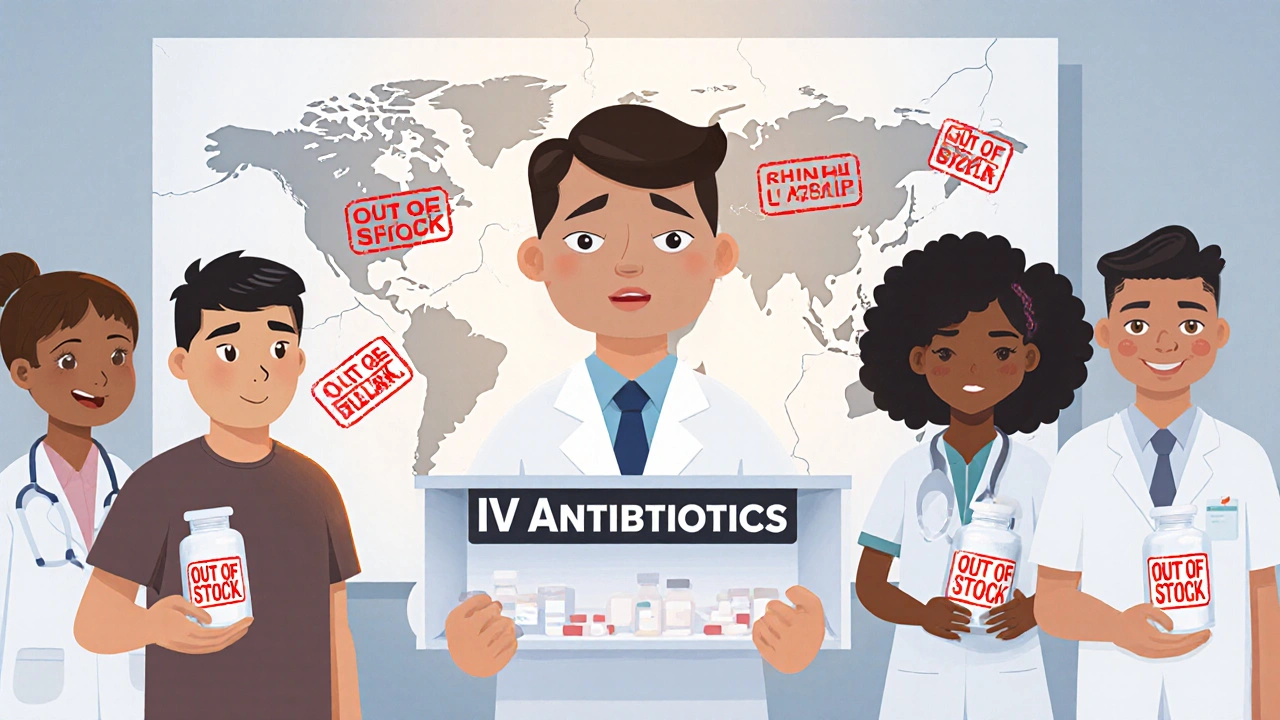
When you need medicine to work fast—like during an emergency, infection, or chronic condition—you might get a sterile injectables, medications prepared without any microbes and meant to be injected directly into the body. Also known as parenteral drugs, these are designed to bypass the digestive system and enter the bloodstream immediately. This isn’t just about speed. It’s about control. Whether it’s insulin for diabetes, antibiotics for a serious infection, or pain relief after surgery, sterile injectables give doctors a precise way to deliver treatment when pills won’t cut it.
But here’s the catch: if these drugs aren’t made or handled correctly, they can turn dangerous. A single speck of dust, a contaminated needle, or a poorly stored vial can lead to infection, organ failure, or worse. That’s why aseptic preparation, the strict process of handling drugs without introducing any germs is non-negotiable. Hospitals, pharmacies, and even home care providers follow rigid rules: clean rooms, sterile gloves, alcohol swabs, single-use syringes. No shortcuts. This isn’t just hospital stuff—it’s the reason you can trust an injection from a clinic, a nursing home, or even your own fridge at home.
Not all injectables are the same. Some are for veins (IV), others for muscle (IM), under the skin (SC), or even into the spine. Each route changes how fast the drug works, how long it lasts, and what side effects you might face. You’ll find sterile injectables used in cancer care, autoimmune diseases, chronic pain, and even mental health—like antipsychotics given as long-acting shots. And while they’re often linked to hospitals, many people use them daily at home, like diabetics with insulin pens or arthritis patients with self-injected biologics.
What you won’t find in this collection are fluff pieces or marketing hype. Instead, you’ll get real, practical info from posts that dig into how these drugs are made, how to spot unsafe practices, and how to stay protected. You’ll see how expiration dates matter more with injectables than pills, how drug interactions can turn a safe shot into a crisis, and why some people end up in the ER because they didn’t know how to store their medication. These aren’t hypotheticals—they’re daily realities for millions.
Whether you’re a patient, a caregiver, or just trying to understand why your doctor chose an injection over a pill, this collection gives you the facts you need—no jargon, no guesswork. You’ll learn what to ask, what to watch for, and how to make sure what’s going into your body is truly safe.
Generic drug shortages are rising due to fragile supply chains, low profit margins, and overreliance on foreign manufacturing. Learn why essential medications keep disappearing-and what’s being done to fix it.
Read more