Learn how to tell the difference between manufacturer expiration dates and pharmacy beyond-use dates for compounded medications. Know when your medicine is still safe-and when it’s not.
Read more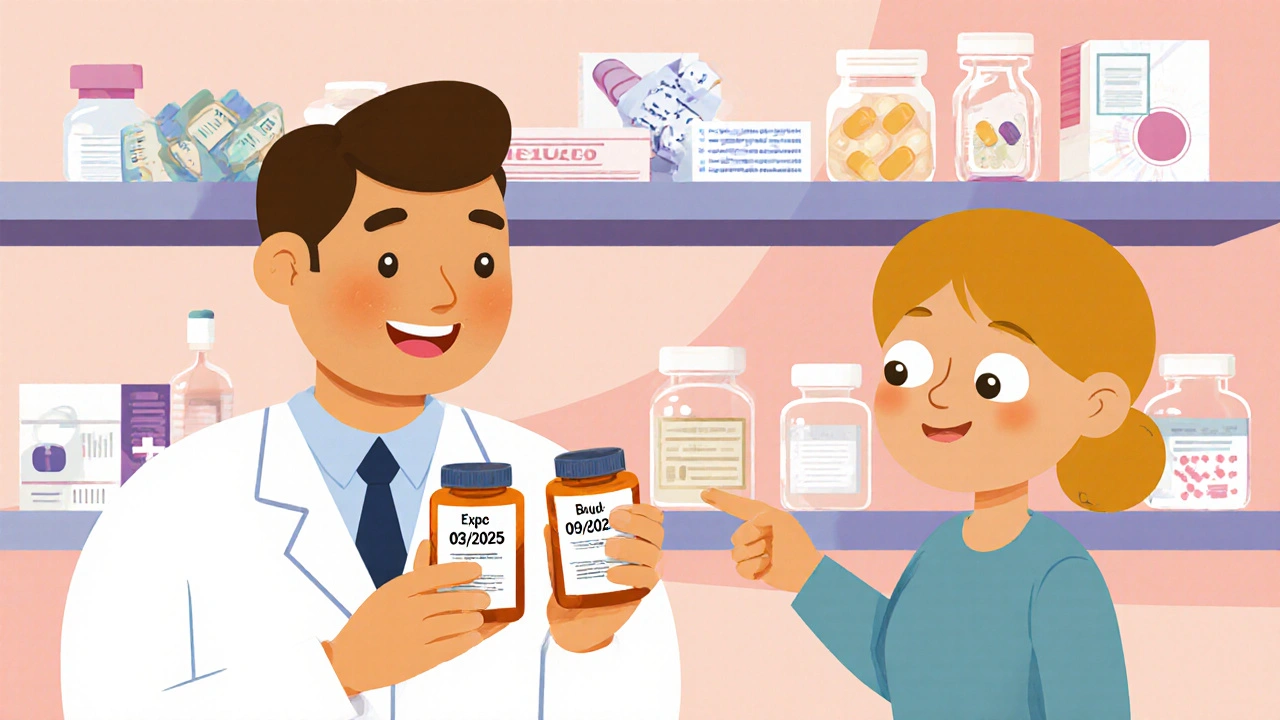
When you pick up a prescription, the date on the bottle isn’t just for show—it’s a pharmacy date, the official timeline that tells you when a medication is safe, effective, and legally usable. Also known as expiration date, it’s tied to how long the active ingredients stay stable under normal storage. But pharmacy dates aren’t just about when a pill goes bad—they’re connected to bigger issues like generic drug shortages, when essential medicines vanish from shelves due to manufacturing delays, raw material shortages, or profit-driven production cuts, and supply chain risks, the fragile network of factories, shipping routes, and regulatory checks that keep drugs moving from lab to pharmacy.
Many people think if a pill looks fine, it’s still good. But that’s not always true. Steroid eye drops, for example, can become dangerous after their expiry date, increasing the risk of glaucoma or infection. Same goes for antibiotics like minocycline or methimazole—losing potency means they won’t kill bacteria or control thyroid levels, which can lead to worse outcomes. And when supply chains break down, as they did with sterile injectables and API manufacturing, patients don’t just wait longer—they go without. That’s why pharmacy dates aren’t just labels; they’re warning signs tied to real-world failures in drug production and distribution. The Hatch-Waxman Act was meant to balance innovation with access, but patent thickets and evergreening keep generics off shelves longer than they should be. Even something as simple as buying cheap generic Paxil or Lexapro online means checking those dates twice—because fake pharmacies often sell expired or counterfeit pills with fake labels.
Pharmacy dates also affect how you manage chronic conditions. If your blood pressure meds like olmesartan/amlodipine or your statins suddenly disappear, switching without guidance can be risky. Same with cancer drugs—interactions with supplements or foods can turn a safe treatment into a life-threatening one. Even mental health meds like quetiapine or escitalopram need consistent supply; missing doses can trigger relapses. The posts below cover exactly these moments: when a date on a bottle changes your treatment, when a shortage forces a switch, and how to spot when a pharmacy date isn’t what it seems. You’ll find real advice on how to verify online pharmacies, what to do when your meds run out, and how to talk to your doctor when supply issues hit. This isn’t just about dates—it’s about keeping your health on track when the system lets you down.
Learn how to tell the difference between manufacturer expiration dates and pharmacy beyond-use dates for compounded medications. Know when your medicine is still safe-and when it’s not.
Read more