Learn the real risks and safe usage of OTC topical pain relievers like creams, gels, and patches. Discover which ingredients are safe, which can cause burns, and how to avoid dangerous products.
Read more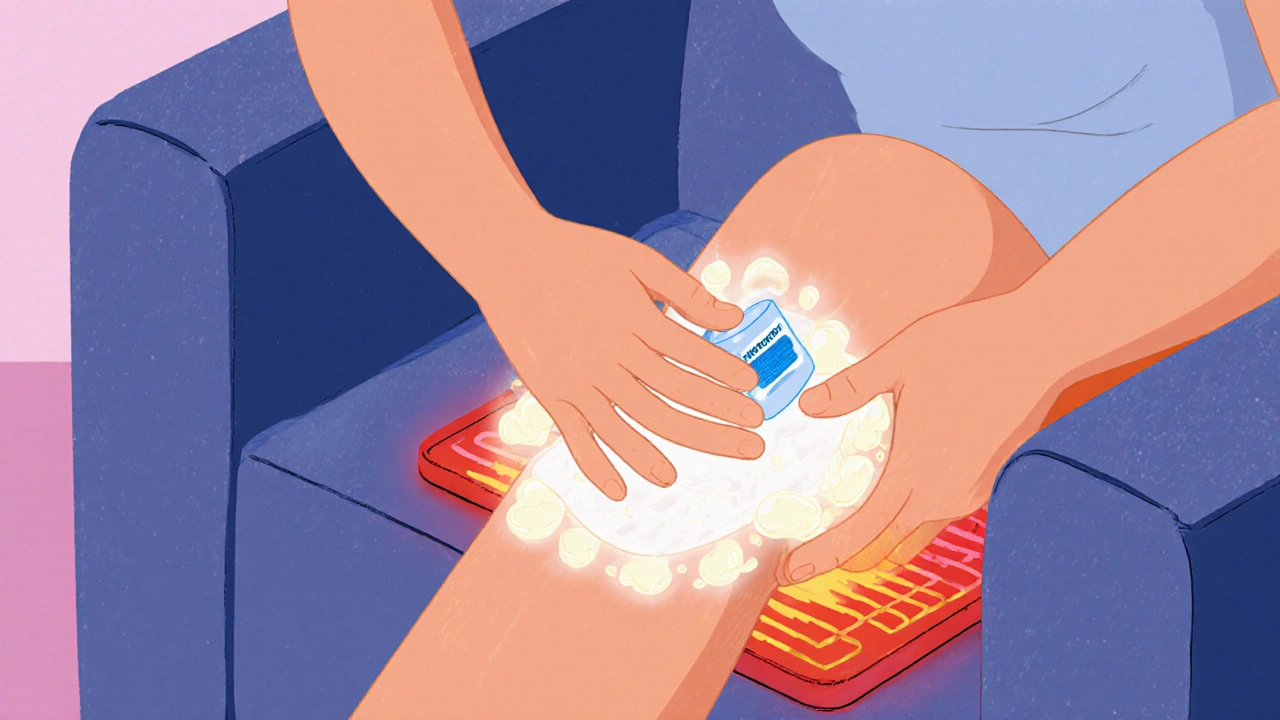
When your back aches or your knees throb, OTC topical pain relievers, over-the-counter creams, gels, or patches applied directly to the skin to reduce localized pain. Also known as topical analgesics, they’re one of the most common ways people manage everyday aches without popping pills. But not all of them do what they claim—and using them wrong can make things worse.
These products work in different ways. Some, like menthol, a cooling agent that tricks nerve endings into feeling cold instead of pain, create a distraction by overriding pain signals. Others, like capsaicin, the compound in chili peppers that depletes substance P, a chemical that sends pain signals to the brain, actually reduce your body’s ability to feel pain over time. Then there’s lidocaine, a local anesthetic that numbs the area it touches, often used for nerve pain or minor skin irritations. Each has its own sweet spot: menthol for muscle soreness after a workout, capsaicin for arthritis that’s been bothering you for months, lidocaine for sharp, localized pain like a pinched nerve.
Here’s the catch: these products don’t fix the root cause. They mask the symptom. If your knee pain comes from cartilage wear, no cream will rebuild it. But if you’re dealing with stiffness from standing all day, a good topical can give you back hours of mobility. And unlike oral painkillers, they rarely cause stomach upset or liver stress—unless you use too much or combine them with other meds. That’s why it’s smart to check labels. Some contain salicylates (like aspirin), which can be dangerous if you’re on blood thinners. Others include NSAIDs like diclofenac, which can still cause skin reactions or interact with kidney issues.
People often apply these wrong—rubbing too hard, using them on broken skin, or layering multiple products thinking more is better. That’s a recipe for irritation or worse. Apply a thin layer, wait at least 30 minutes before washing the area, and never cover with a heating pad. The heat can drive the active ingredients deeper than intended, raising the risk of burns or toxicity. And if you’ve tried one and it didn’t help after a week? It’s probably not the right tool for your pain. Not every ache responds the same way.
What you’ll find in the posts below isn’t a list of brand recommendations. It’s a practical guide to what actually works under real-world conditions. You’ll see how people with chronic joint pain use capsaicin without burning their skin, why some swear by menthol patches after physical therapy, and how lidocaine patches became a go-to for nerve pain that pills couldn’t touch. You’ll also learn what to avoid—like mixing topical NSAIDs with oral ones, or using these products when you have diabetes or poor circulation. These aren’t theory-driven tips. They’re real experiences from people who’ve tried the options, made mistakes, and figured out what sticks.
Learn the real risks and safe usage of OTC topical pain relievers like creams, gels, and patches. Discover which ingredients are safe, which can cause burns, and how to avoid dangerous products.
Read more