Learn the real risks and safe usage of OTC topical pain relievers like creams, gels, and patches. Discover which ingredients are safe, which can cause burns, and how to avoid dangerous products.
Read more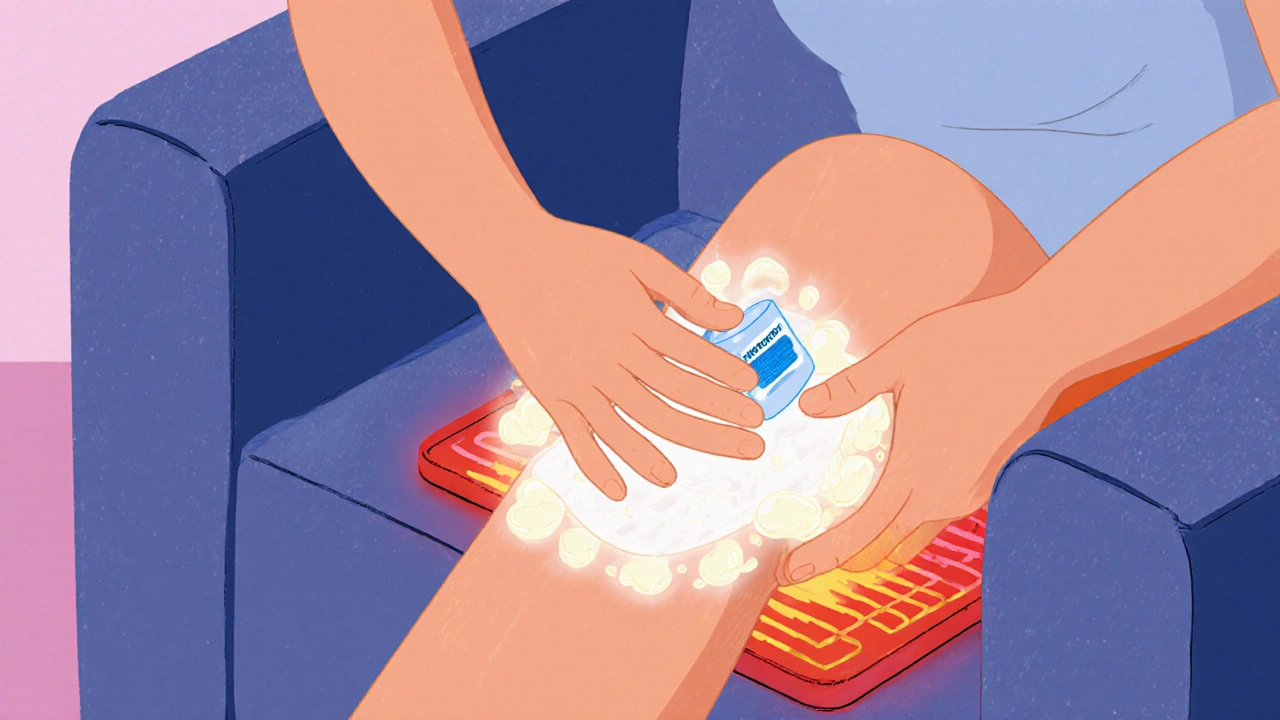
When you feel that sharp, cooling rush from a menthol patch or cream, it’s not just a sensation—it’s a chemical reaction. menthol, a compound derived from mint oils that triggers cold receptors in the skin. Also known as L-menthol, it’s widely used in pain relievers, muscle rubs, and even cough drops because it tricks your nerves into feeling cool. But that same trick can turn dangerous if applied too often, too thickly, or on sensitive skin. What feels like relief can quickly become a burn, a chemical injury caused by overstimulation of nerve endings. These aren’t thermal burns—they’re neurogenic. Your skin doesn’t get hot, but your nerves scream like it does. That’s why people often mistake menthol burns for heat damage, even though no actual heat is involved.
topical cooling agents, products designed to soothe pain by activating cold-sensing TRPM8 receptors like menthol, camphor, and eucalyptus oil are common in over-the-counter remedies. But they’re not harmless. Using them on broken skin, applying too much, or covering them with plastic wrap increases absorption and risk. Kids and older adults are especially vulnerable because their skin is thinner. Even products labeled "gentle" can cause redness, blistering, or numbness if misused. A 2021 case study in the Journal of Clinical Dermatology found that over 60% of reported menthol-related skin injuries came from people using pain patches for more than 12 hours straight. That’s longer than most labels recommend.
It’s not just about how much you use—it’s about what else you’re using with it. If you’re applying menthol after a hot shower, or combining it with other topical NSAIDs or steroids, you’re stacking risks. Some people don’t realize their rash isn’t an allergy—it’s a chemical burn from repeated exposure. And unlike sunburns, these don’t always show up right away. You might feel fine after applying a cream, then wake up with a burning, peeling patch of skin. That’s when you know it’s too late to just rinse it off.
Stop using the product immediately if you feel stinging, burning, or tightness that lasts longer than 10 minutes. Wash the area with mild soap and cool water—no alcohol, no ice, no more creams. Keep it dry and loose. Don’t pop blisters. If the area turns white, gray, or feels numb, see a doctor. Most mild cases heal in a few days. Severe ones need medical care. And if you’re using menthol for chronic pain, ask your provider about alternatives. There are safer ways to manage discomfort without risking your skin.
Below, you’ll find real cases and science-backed advice on how these reactions happen, who’s most at risk, and what products actually help heal the damage—without making it worse.
Learn the real risks and safe usage of OTC topical pain relievers like creams, gels, and patches. Discover which ingredients are safe, which can cause burns, and how to avoid dangerous products.
Read more