Medication Safety for Teens
When it comes to medication safety for teens, the practices and precautions that ensure young people use drugs correctly and avoid harmful misuse. Also known as adolescent pharmaceutical safety, it’s not just about following directions—it’s about recognizing when a pill becomes a risk. Every year, thousands of teens accidentally or intentionally misuse prescription drugs, OTC pain relievers, or even supplements, thinking they’re harmless. But a simple cream like methyl salicylate can cause serious burns, and a common herb like St. John’s wort can knock birth control out of commission. These aren’t edge cases—they’re real, documented dangers.
OTC topical pain relievers, creams, gels, and patches sold without a prescription. Also known as over-the-counter skin treatments, they’re often seen as safe because they’re easy to buy. But teens using them for sports injuries or acne aren’t always aware that lidocaine or capsaicin can cause chemical burns if applied too often or to broken skin. And then there’s the quiet danger of generic drug efficacy, how well a cheaper version of a brand-name drug works in the body. Some teens switch between brands and generics without realizing that even small differences in absorption can matter—especially for drugs with narrow therapeutic windows like seizure meds or thyroid pills. The FDA’s strict bioequivalence rules exist for a reason, but not every teen (or parent) knows what those rules mean in real life.
What makes medication safety for teens so tricky is that it’s not just about pills. It’s about mental health, peer pressure, and misinformation. A teen with anxiety might hear online that Paxil works wonders and order cheap generic paroxetine from an unverified site. Or someone with a sports injury might crush a tablet to make it "work faster," not knowing that could turn a slow-release drug into a dangerous overdose. Even something as simple as taking medicine on an empty stomach versus after food—fasted vs fed state testing, how food changes how your body absorbs a drug. Also known as drug absorption conditions—can make the difference between relief and side effects. These aren’t abstract concepts. They’re daily decisions that can go wrong.
Teens aren’t ignoring safety—they’re often just unaware. They don’t know that steroid eye drops can raise eye pressure and lead to glaucoma if used too long. They don’t realize that mixing antidepressants with certain supplements can trigger serotonin syndrome. They think "natural" means safe, not knowing that grapefruit can turn a common statin into a muscle-damaging hazard. The posts below cover these exact scenarios: what happens when a teen takes the wrong combo, how to spot signs of misuse, and what parents and caregivers can actually do to prevent harm—not just warn, but act.
You won’t find fluff here. No vague advice like "talk to your teen." You’ll find clear, practical facts—like how to tell if a pharmacy’s expiration date is trustworthy, why crushing pills is a bad idea, and which OTC products are more dangerous than people think. This isn’t about scaring you. It’s about giving you the tools to keep teens safe without sounding like a lecture. The risks are real. The solutions? They’re right here.
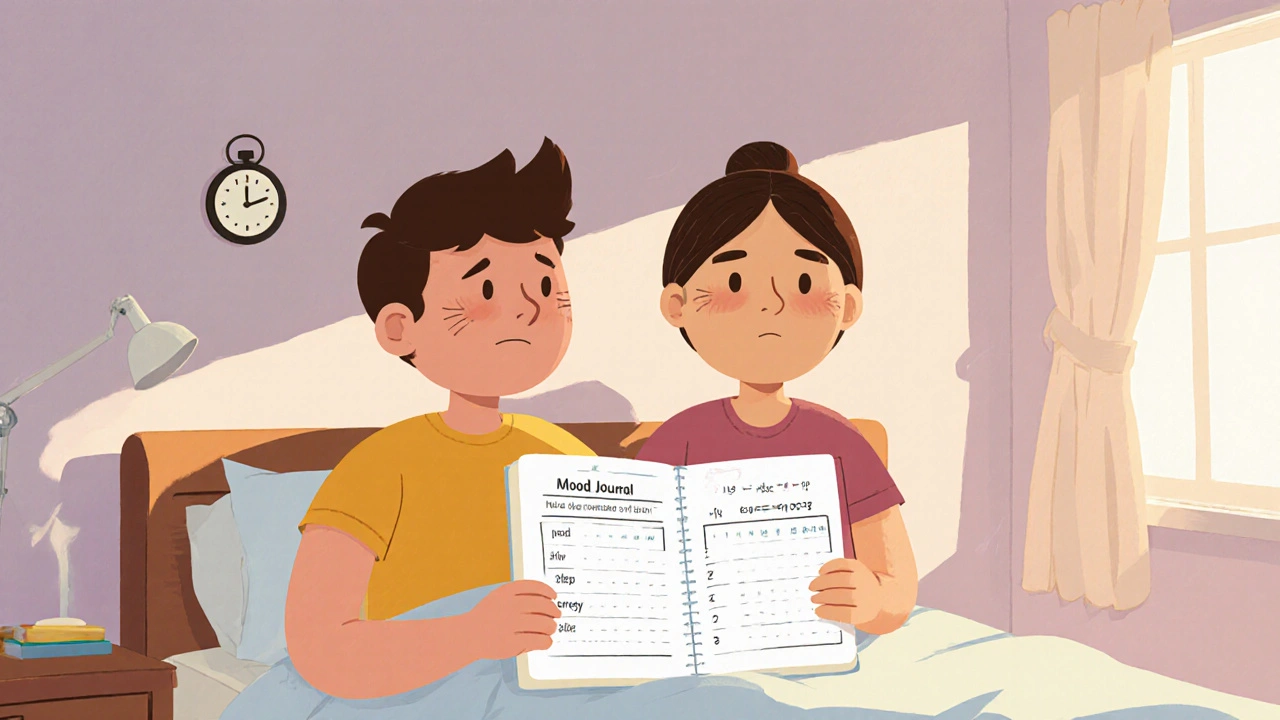
Psychiatric medications can help teens with depression and anxiety-but they also carry a risk of increasing suicidal thoughts, especially early in treatment. Learn how to monitor for warning signs, when to act, and what protocols actually work.
Read more