Learn the real risks and safe usage of OTC topical pain relievers like creams, gels, and patches. Discover which ingredients are safe, which can cause burns, and how to avoid dangerous products.
Read more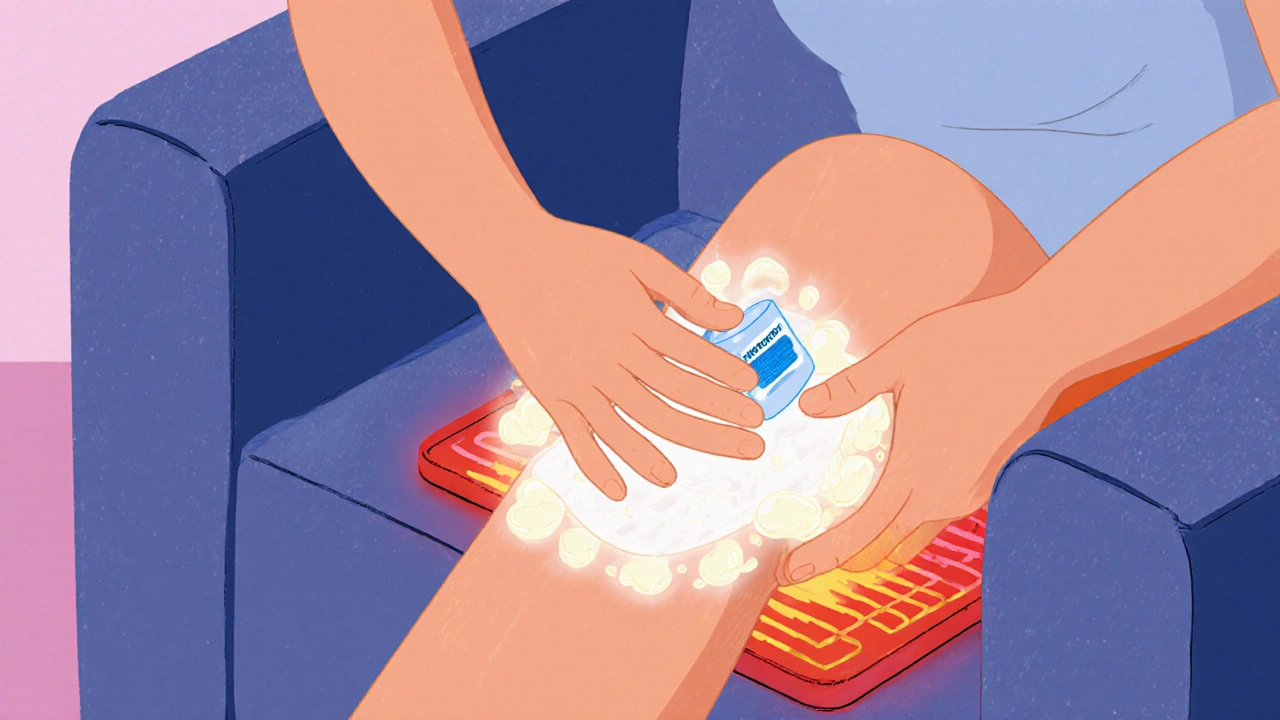
When you reach for a cream, spray, or patch with lidocaine, a local anesthetic used to numb skin and mucous membranes. Also known as Xylocaine, it’s one of the most common pain-relieving drugs in homes and clinics. But just because it’s available over the counter doesn’t mean it’s harmless. Too much lidocaine—whether from applying too much, using it too often, or swallowing it accidentally—can cause seizures, irregular heartbeat, or even death. The key to safety isn’t avoiding it, but understanding how to use it right.
Lidocaine works by blocking nerve signals, which is why it’s used for everything from minor burns and insect bites to dental procedures and skin biopsies. But its margin between effective and dangerous is thin. For example, applying more than the recommended amount of lidocaine cream to large areas of skin, especially on children or broken skin, can lead to lidocaine overdose, a life-threatening condition caused by too much drug entering the bloodstream. Even patches meant for back pain can become risky if used with heating pads or left on longer than instructed. And while many assume topical means safe, the skin absorbs lidocaine faster than people realize—especially in sensitive areas like the mouth or genitals.
Some people don’t realize that topical lidocaine, the form found in creams, gels, and sprays can interact with other medications. If you’re taking heart rhythm drugs like amiodarone or certain antidepressants, lidocaine can build up in your system and increase side effects. Kids are especially vulnerable: a single teaspoon of lidocaine oral gel can be toxic to a toddler. And if you’ve ever heard someone say, "I just used a little extra to make it work better," that’s exactly how emergencies start.
Knowing the signs of trouble matters more than the dose. Tingling lips, dizziness, ringing in the ears, or a metallic taste aren’t just side effects—they’re early warnings. If someone feels confused, has trouble breathing, or their muscles twitch after using lidocaine, call for help immediately. Most cases of poisoning happen because people don’t recognize the symptoms until it’s too late.
There’s no one-size-fits-all rule for lidocaine. What’s safe for a 200-pound adult with healthy skin might be dangerous for a 60-pound child or someone with liver disease. Always check the label for directions, never combine it with other numbing products, and keep it out of reach of kids. If you’re unsure, ask your pharmacist or doctor—especially if you’re using it for a chronic condition like nerve pain or eczema.
Below, you’ll find real-world advice from people who’ve dealt with medication errors, drug interactions, and safety gaps in everyday care. These posts don’t just talk about theory—they show you how lidocaine fits into the bigger picture of safe drug use, from hospital protocols to what happens when a parent misuses a cream at home. What you learn here could keep you—or someone you care about—out of the ER.
Learn the real risks and safe usage of OTC topical pain relievers like creams, gels, and patches. Discover which ingredients are safe, which can cause burns, and how to avoid dangerous products.
Read more