Generic drug shortages are rising due to fragile supply chains, low profit margins, and overreliance on foreign manufacturing. Learn why essential medications keep disappearing-and what’s being done to fix it.
Read more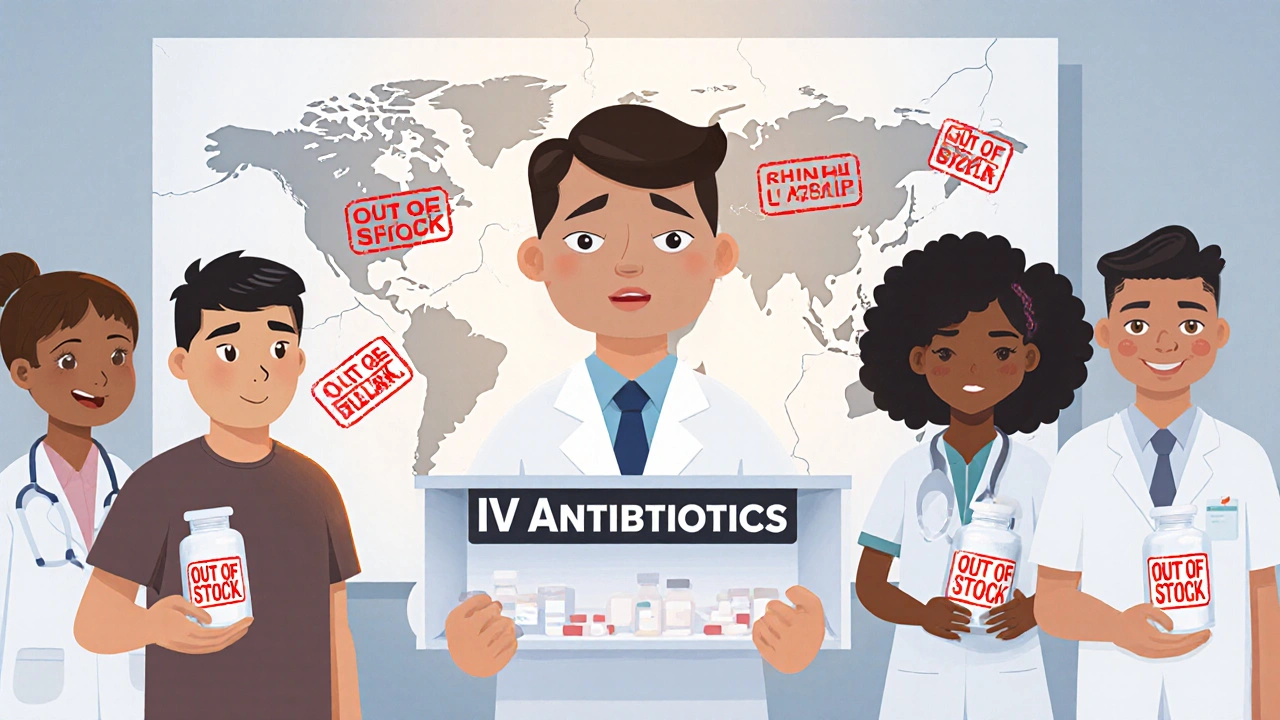
When you rely on a generic drug like generic lisinopril, an affordable blood pressure medication that millions depend on. Also known as ace inhibitors, it’s one of the most common prescriptions in the U.S.—but lately, it’s been disappearing from shelves. You’re not imagining it. generic drug shortages, a growing crisis where essential, low-cost medications become unavailable are happening more often, and they’re not random. They’re tied to how these drugs are made, who makes them, and what happens when one factory shuts down or gets shut down by regulators.
Most generic drugs are made overseas, often in just a few factories in India or China. If one of those plants has a quality issue—like dirty equipment or fake records—the FDA can halt production. Suddenly, millions of people can’t get their thyroid meds, antibiotics, or heart pills. And because generics have razor-thin profit margins, manufacturers don’t always rush to fix the problem or build backup supply lines. This isn’t about greed—it’s about a system built to save money, not to be resilient.
When a shortage hits, it doesn’t just mean you can’t fill your prescription. It means your doctor has to switch you to a different drug, which might cost more, cause new side effects, or not work as well. For people on tight budgets, that’s not a minor inconvenience—it’s a health risk. That’s why knowing your options matters. pharmaceutical shortages, a broader term that includes both brand-name and generic drugs are tracked by the FDA, but the public rarely gets clear, timely updates. You can check their list, but it’s not always easy to understand what’s really going on.
There’s no magic fix, but there are practical steps you can take. Talk to your pharmacist—they often know what’s coming next or where to find stock. Ask if a different generic brand is available. Some drugs have multiple manufacturers, and one might still be in supply. And if your drug is on the shortage list, don’t panic—there’s almost always a therapeutic alternative, even if it’s not the exact same pill. For example, if you’re missing generic metformin, a common diabetes medication, your doctor might switch you to a different SGLT2 inhibitor or adjust your dose. It’s not ideal, but it’s manageable.
What you’ll find below isn’t just a list of articles. It’s a toolkit. We’ve pulled together real, practical advice from people who’ve lived through these shortages—how to spot when a drug is running low, how to talk to your doctor about alternatives, and which generic versions actually work better than others. You’ll read about how patent laws affect availability, why some drugs disappear for months, and how to find safe, legal ways to get your meds without overpaying. This isn’t theory. It’s what people are doing right now to stay healthy when the system lets them down.
Generic drug shortages are rising due to fragile supply chains, low profit margins, and overreliance on foreign manufacturing. Learn why essential medications keep disappearing-and what’s being done to fix it.
Read more