Learn how to tell the difference between manufacturer expiration dates and pharmacy beyond-use dates for compounded medications. Know when your medicine is still safe-and when it’s not.
Read more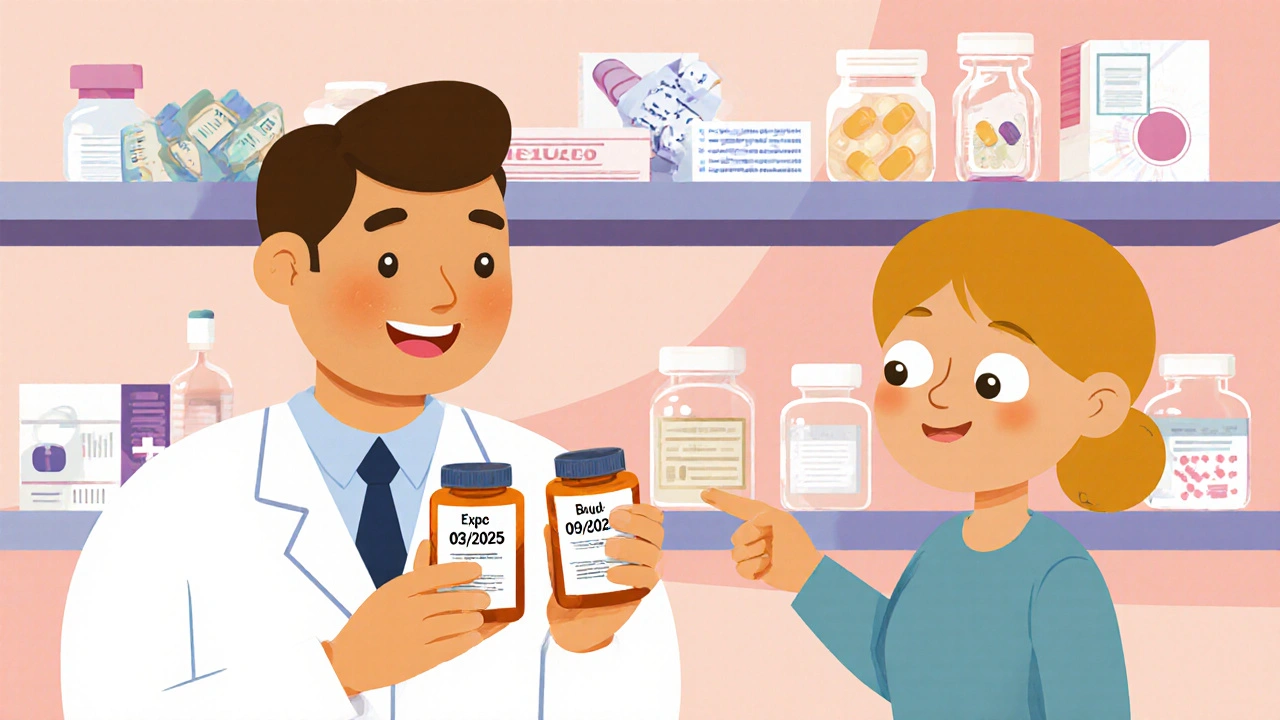
When you see an expiration date, the date a manufacturer guarantees a drug will remain fully potent and safe to use under proper storage conditions. Also known as use-by date, it's not just a marketing trick—it's a legal and scientific benchmark. But here’s the thing: most pills don’t turn toxic the moment that date passes. Studies from the FDA and the U.S. Military show many medications retain 90% of their strength for years after expiration, if stored right. The real risk isn’t always the pill itself—it’s the conditions it’s been kept in.
Heat, moisture, and light are the real enemies of medicine. Keep your antibiotics, heart meds, or insulin in a humid bathroom? That’s where potency drops fast. Store them in a cool, dry drawer instead? They might still work fine months or even years past the printed date. This matters because cheap generics—like the ones you find on ThriftyMeds—are often made with the same active ingredients as brand-name drugs, but their packaging and storage instructions aren’t always as clear. That’s why knowing how to read an expiration date isn’t just about safety—it’s about getting the most value from your meds.
Some drugs are exceptions. Insulin, liquid antibiotics, nitroglycerin, and eye drops lose effectiveness quickly after expiration, and using them past that point can be dangerous. But for most tablets and capsules—like your blood pressure pills, antidepressants, or pain relievers—the expiration date is more of a conservative estimate than a hard stop. The FDA’s Shelf Life Extension Program found that over 80% of tested drugs were still safe and effective 15 years after expiration. That’s billions of dollars in wasted medicine every year, just because people panic at a date on the bottle.
So what should you do? Check the label. Look for signs of damage—cracks, discoloration, odd smells. If it looks or smells off, toss it. If it looks fine and you’ve stored it properly, it’s probably still good. Don’t assume expired means useless. And don’t assume it’s safe just because it’s old. Use common sense. Your health isn’t worth gambling on guesswork, but it’s also not worth throwing away perfectly good medicine because of a date printed on the box.
Below, you’ll find real-world posts that dig into how drug storage, manufacturing, and supply chains affect what’s in your bottle—and whether that expiration date you’re staring at is really the end of the line for your medication.
Learn how to tell the difference between manufacturer expiration dates and pharmacy beyond-use dates for compounded medications. Know when your medicine is still safe-and when it’s not.
Read more