Chemotherapy drug interactions can be dangerous, even deadly. Learn which medications, supplements, and foods can interfere with cancer treatment-and how to stay safe during therapy.
Read more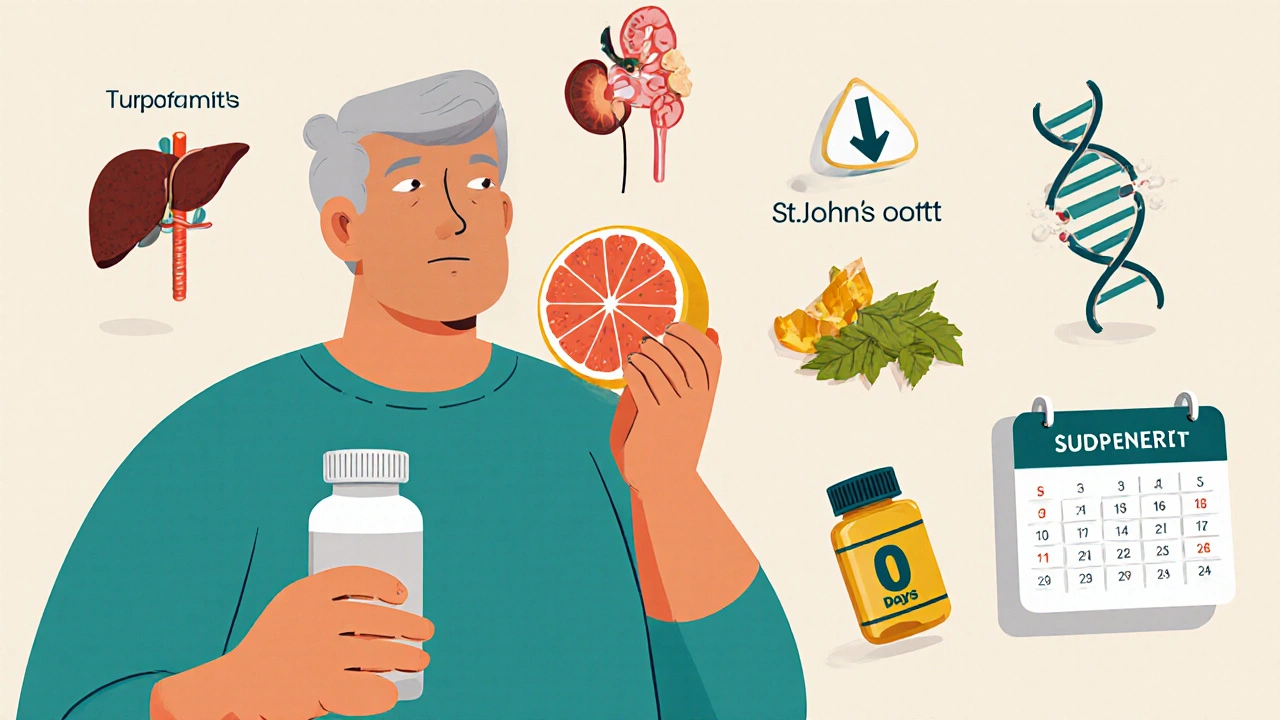
When you're undergoing chemotherapy, a powerful treatment used to kill cancer cells by targeting rapidly dividing cells in the body. Also known as chemo, it's often a lifeline—but it doesn't work in isolation. Many people taking chemo also use other medications, supplements, or over-the-counter drugs, and these can clash in dangerous ways. These clashes, called drug interactions with chemo, when another substance changes how chemotherapy works in your body—making it less effective, more toxic, or causing unexpected side effects. This isn't theoretical. Real patients have ended up in the hospital because they took St. John’s Wort with chemo, or popped ibuprofen without realizing it blocked kidney clearance of certain drugs. Your body is already under stress; adding unmonitored substances is like stepping on the gas while driving through a storm.
Some chemo drugs are broken down by liver enzymes like CYP3A4. If you're taking something else that affects those same enzymes—like certain antibiotics, antifungals, or even grapefruit juice—you can accidentally flood your system with too much chemo, or starve it of the dose it needs. For example, ketoconazole can make paclitaxel levels spike dangerously high. On the flip side, rifampin can speed up chemo breakdown, making your treatment less effective. Even common supplements like vitamin C, fish oil, or curcumin can interfere with how chemo kills cancer cells, sometimes in ways we don’t fully understand yet. And don’t forget about pain meds. Opioids mixed with chemo can worsen fatigue or nausea. Antacids can block absorption of oral chemo pills. It’s not just about pills—it’s about everything you put in your body.
That’s why tracking every medication, herb, and vitamin matters. Many patients don’t think to mention their magnesium supplement or their daily green smoothie to their oncologist. But those details can change everything. The posts below show real cases: how statins and chemo can both strain muscles, how antidepressants might affect chemo metabolism, and why even something as simple as an antibiotic can delay your next cycle. You’ll find clear, no-fluff breakdowns of what to avoid, what to ask your doctor, and how to keep your treatment on track without guessing. This isn’t about fear—it’s about control. Knowing what interacts with your chemo gives you power over your own care.
Chemotherapy drug interactions can be dangerous, even deadly. Learn which medications, supplements, and foods can interfere with cancer treatment-and how to stay safe during therapy.
Read more