Generic drug shortages are rising due to fragile supply chains, low profit margins, and overreliance on foreign manufacturing. Learn why essential medications keep disappearing-and what’s being done to fix it.
Read more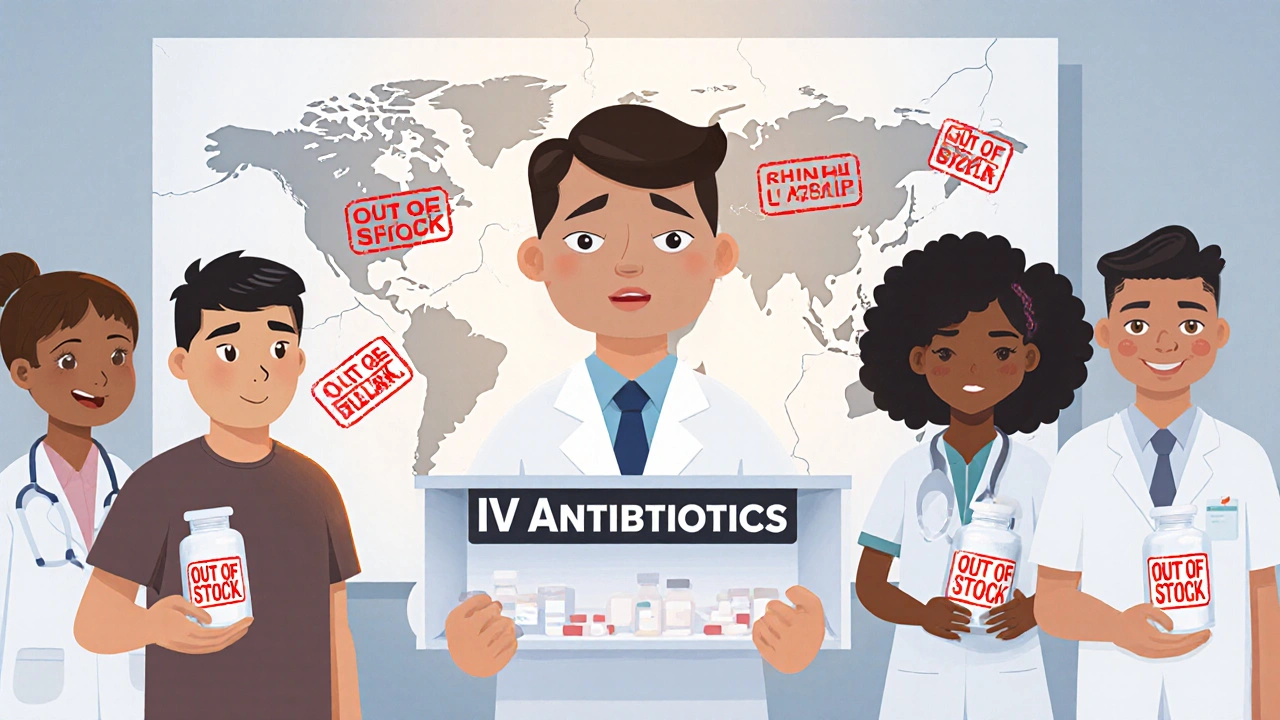
When you pick up a prescription, you might think it just appeared on the shelf. But behind every pill is a complex system called drug distribution, the network that moves medications from makers to patients. Also known as the pharmaceutical supply chain, it includes manufacturers, wholesalers, pharmacies, and even online sellers—and how it works directly affects how much you pay and whether your medicine is safe. This isn’t just logistics. It’s your health on a pipeline.
Think about generic drugs. They’re cheaper because they skip the patent lock, but they still need to travel through the same distribution channels as brand-name pills. The Hatch-Waxman Act, a U.S. law that lets generics enter the market after patents expire changed everything. It didn’t just lower prices—it forced manufacturers to compete, which opened the door for affordable options like generic Paxil or Lexapro. But here’s the catch: if the distribution chain gets broken—say, by a shortage, a counterfeit supplier, or a pharmacy that mislabels expiration dates—your medicine might be ineffective or even dangerous. That’s why knowing the difference between a manufacturer’s expiration date and a pharmacy’s beyond-use date matters. It’s not paperwork. It’s protection.
Drug distribution also shapes access. In places with tight controls, patients wait weeks. In others, online pharmacies make it easy—but risky—if you don’t know how to spot a legit seller. The same supply chain that delivers cheap generic Tylenol in Australia might send contaminated pills elsewhere. And when drug interactions happen—like statins mixing with grapefruit juice or chemo clashing with supplements—it’s often because the distribution system didn’t connect the dots between prescribing, dispensing, and patient education.
What you’ll find below isn’t just a list of articles. It’s a map. You’ll see how patent law shapes drug prices, how expiration dates protect you, how generics bypass middlemen, and why some medications work better than others based on how they’re made and moved. Whether you’re managing bipolar disorder with mood stabilizers, treating a skin infection with antibiotics, or trying to afford your blood pressure pills, the path your medicine took to get to you is part of the story. And now you know how to read it.
Generic drug shortages are rising due to fragile supply chains, low profit margins, and overreliance on foreign manufacturing. Learn why essential medications keep disappearing-and what’s being done to fix it.
Read more