Chemotherapy drug interactions can be dangerous, even deadly. Learn which medications, supplements, and foods can interfere with cancer treatment-and how to stay safe during therapy.
Read more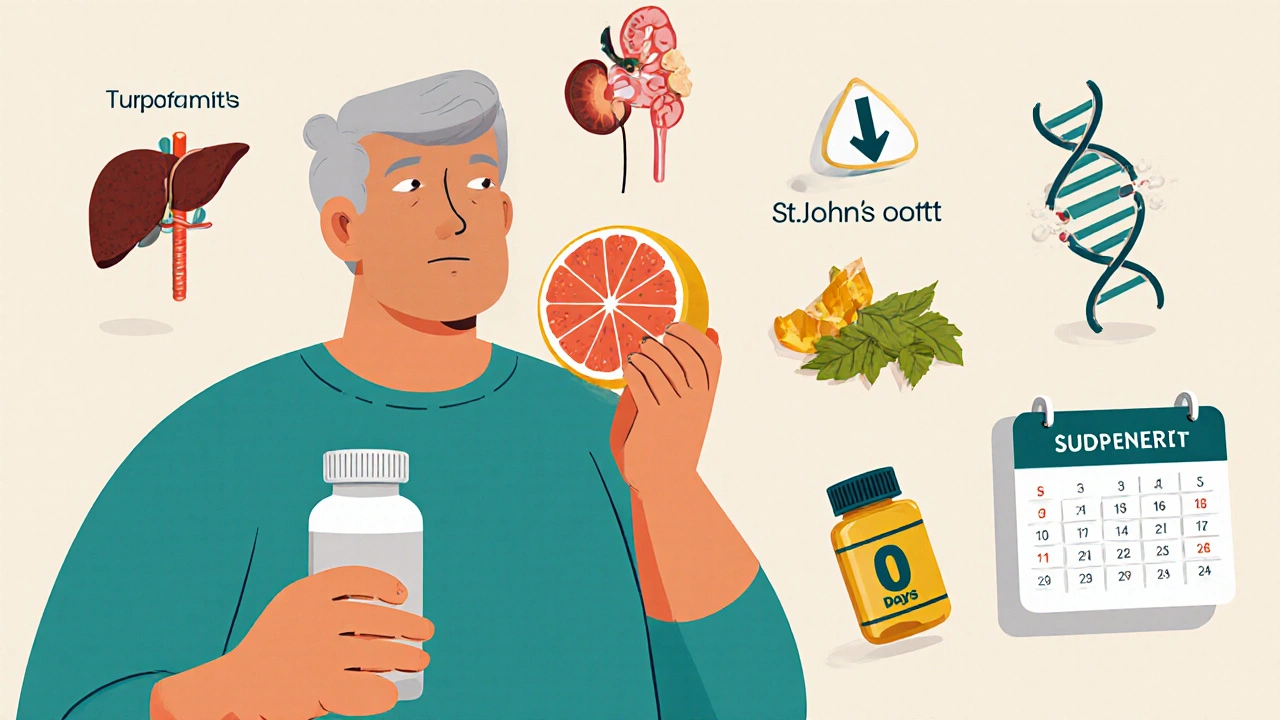
When you take chemotherapy or other strong medications, your body doesn’t process them in isolation. A group of enzymes called cytochrome P450, a family of liver enzymes responsible for breaking down most drugs in the body. Also known as CYP450, it plays a critical role in how your body handles everything from antidepressants to painkillers and cancer drugs. If one drug slows down or speeds up these enzymes, it can change how another drug works—sometimes dangerously. This is where chemo interactions, harmful or unexpected effects when chemotherapy drugs mix with other medications become a real concern. Many people don’t realize that a common antibiotic, a heart pill, or even a supplement can throw off the entire balance.
One of the biggest players in this system is CYP3A4, the most common cytochrome P450 enzyme involved in drug metabolism. Also known as CYP3A, it handles over half of all prescription drugs, including many chemotherapy agents like paclitaxel and docetaxel. If CYP3A4 is blocked—say by grapefruit juice or certain antifungals—your chemo can build up to toxic levels. If it’s overactive—because of St. John’s wort or some antibiotics—the drug gets broken down too fast, and it stops working. This isn’t theory. Real cases have been documented where patients ended up in the hospital because their meds didn’t work as expected. The same enzyme is behind statin interactions, dangerous muscle damage caused when cholesterol drugs mix with other CYP3A4-affecting substances, which is why doctors warn against certain foods and meds when you’re on simvastatin or atorvastatin.
You don’t need to memorize every enzyme or drug name, but you do need to know this: if you’re on chemo or any serious medication, your pharmacist and doctor must know everything else you’re taking—including over-the-counter pills, vitamins, and herbal products. Many people think natural means safe, but St. John’s wort can cut chemo effectiveness by 30%. Grapefruit juice? It’s not just for breakfast anymore—it’s a silent risk. The posts below cover real examples: how statins and antibiotics interact, how antidepressants affect metabolism, and why generic versions aren’t always interchangeable when enzymes are involved. You’ll find practical advice on spotting red flags, asking the right questions, and protecting yourself from hidden drug clashes. This isn’t about fear—it’s about control. Know what’s in your body, and who’s working with it.
Chemotherapy drug interactions can be dangerous, even deadly. Learn which medications, supplements, and foods can interfere with cancer treatment-and how to stay safe during therapy.
Read more