Learn how to tell the difference between manufacturer expiration dates and pharmacy beyond-use dates for compounded medications. Know when your medicine is still safe-and when it’s not.
Read more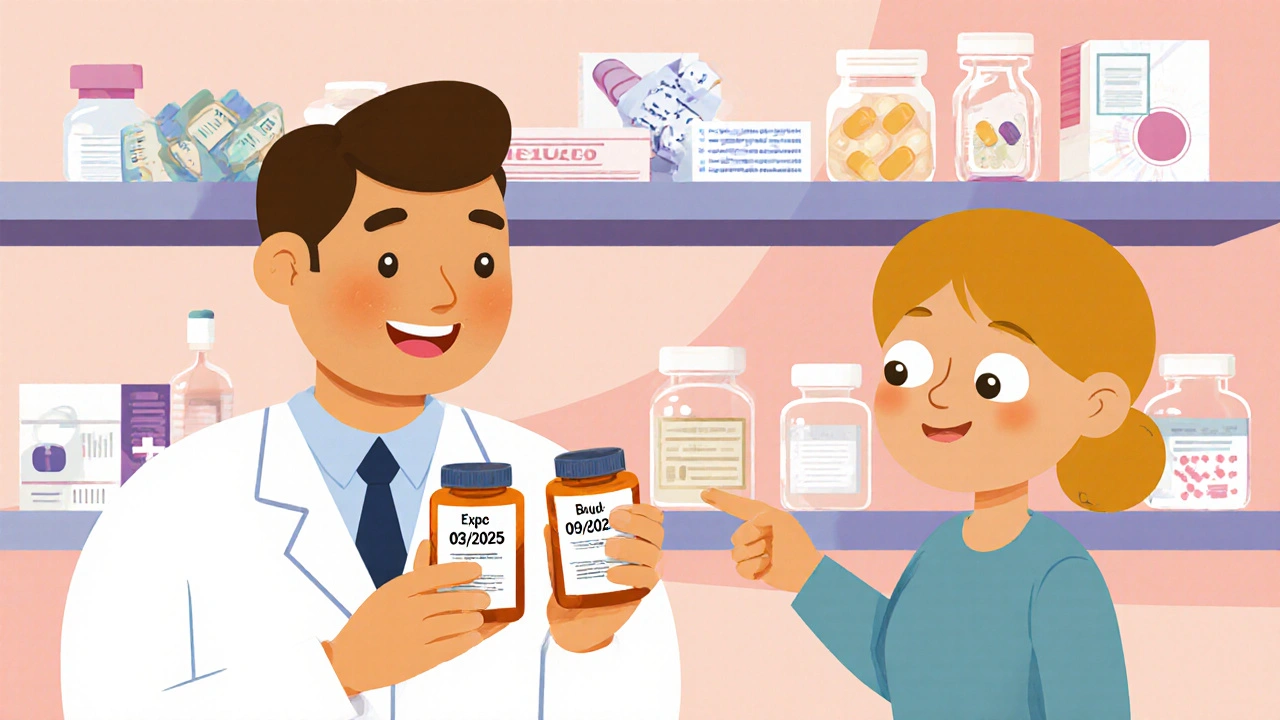
When you need a medicine that doesn’t come in a bottle at your local pharmacy, compounded medications, custom-made drugs prepared by specialized pharmacies to meet unique patient needs. Also known as custom formulations, they’re made when standard drugs aren’t available, don’t fit your body, or cause side effects you can’t tolerate. This isn’t science fiction—it’s daily practice for thousands of people who can’t swallow pills, need dye-free versions, or require a specific dose that no manufacturer produces.
Compounding pharmacies work closely with doctors to create solutions like liquid versions of pills, formulations for patients who can’t swallow tablets, or medications without allergens, such as gluten, lactose, or artificial colors. These aren’t just convenience options—they’re lifelines. For example, a child with epilepsy might need a flavorless, alcohol-free version of an antiseizure drug. An elderly patient with kidney issues might need a lower-dose version of a blood pressure pill that’s only sold in 10mg increments. A cancer patient might need a topical cream instead of oral chemo because their stomach can’t handle it. These aren’t rare cases. They’re common enough that compounding pharmacies exist in nearly every state.
But here’s the catch: not all compounding is equal. Some pharmacies follow strict standards, using tested ingredients and clean rooms. Others cut corners. That’s why you need to know where your compound comes from. The FDA doesn’t approve compounded drugs the same way it does mass-produced ones, so the burden falls on you and your doctor to verify the pharmacy’s credentials. Look for pharmacies accredited by PCAB or USP. Ask if they test each batch. Check if they’ve had any violations. And always talk to your pharmacist—don’t assume a compound is safe just because it’s labeled "custom."
What you’ll find in the posts below are real stories and facts about how compounded medications fit into everyday care. You’ll see how they connect to drug shortages, why some people turn to them when generics disappear, and how they’re used alongside treatments for conditions like thyroid disease, skin infections, and even mental health. Some posts dive into how these custom drugs interact with others—like statins or chemotherapy—so you don’t accidentally mix something dangerous. Others show you how to spot a trustworthy compounding pharmacy versus one that’s just selling untested chemicals. This isn’t about hype. It’s about getting the right medicine, safely, when the system fails you.
Learn how to tell the difference between manufacturer expiration dates and pharmacy beyond-use dates for compounded medications. Know when your medicine is still safe-and when it’s not.
Read more