Child Mental Health: Signs, Treatments, and How Medications Play a Role
When we talk about child mental health, the emotional, behavioral, and social well-being of children from infancy through adolescence. Also known as pediatric mental health, it’s not just about tantrums or moodiness—it’s about diagnosable conditions that affect how kids learn, play, and connect with others. One in five children in the U.S. has a mental health condition, but less than half get help. Many parents don’t realize that irritability in a 7-year-old could be depression, or that constant fidgeting might be ADHD—not just "high energy." These aren’t phases. They’re medical issues that respond to real treatment.
Pediatric anxiety, a common condition where kids experience excessive fear or worry that interferes with daily life often shows up as school refusal, stomachaches with no physical cause, or clinginess. ADHD medications, drugs like methylphenidate or atomoxetine used to improve focus and reduce impulsivity in children with attention-deficit/hyperactivity disorder aren’t quick fixes—they’re tools that work best when paired with structure, therapy, and parent training. And while antidepressants for kids, SSRIs like fluoxetine prescribed for severe depression or OCD in children can help, they’re not for every child. The FDA warns about increased suicidal thoughts in some young patients during early treatment—so close monitoring is non-negotiable.
Therapy isn’t optional here. behavioral therapy, a structured approach that helps children change harmful behaviors and build coping skills through positive reinforcement is often the first line of defense. Medication comes in when symptoms are severe, therapy alone isn’t enough, or when there’s a biological component—like low serotonin or dopamine imbalance. But too many families skip therapy because they think pills are easier. They’re not. The real work happens in the home, the classroom, and the therapist’s office.
You’ll find posts here that cut through the noise. Some explain how generic versions of ADHD meds compare to brand names in real-world use. Others show how certain supplements can interfere with psychiatric drugs in kids. There’s even one on how swallowing pills becomes a hurdle for anxious children—and what to do about it. You’ll learn why steroid eye drops aren’t used for child mental health (but might show up in related conditions), how pain catastrophizing can look different in kids, and why some antidepressants work better for teens than toddlers.
This isn’t about pushing pills. It’s about understanding what’s actually helping children—and what’s just noise. Whether you’re a parent, teacher, or caregiver, you’ll walk away knowing when to ask for help, what questions to ask the doctor, and how to spot the difference between normal growing pains and something that needs attention.
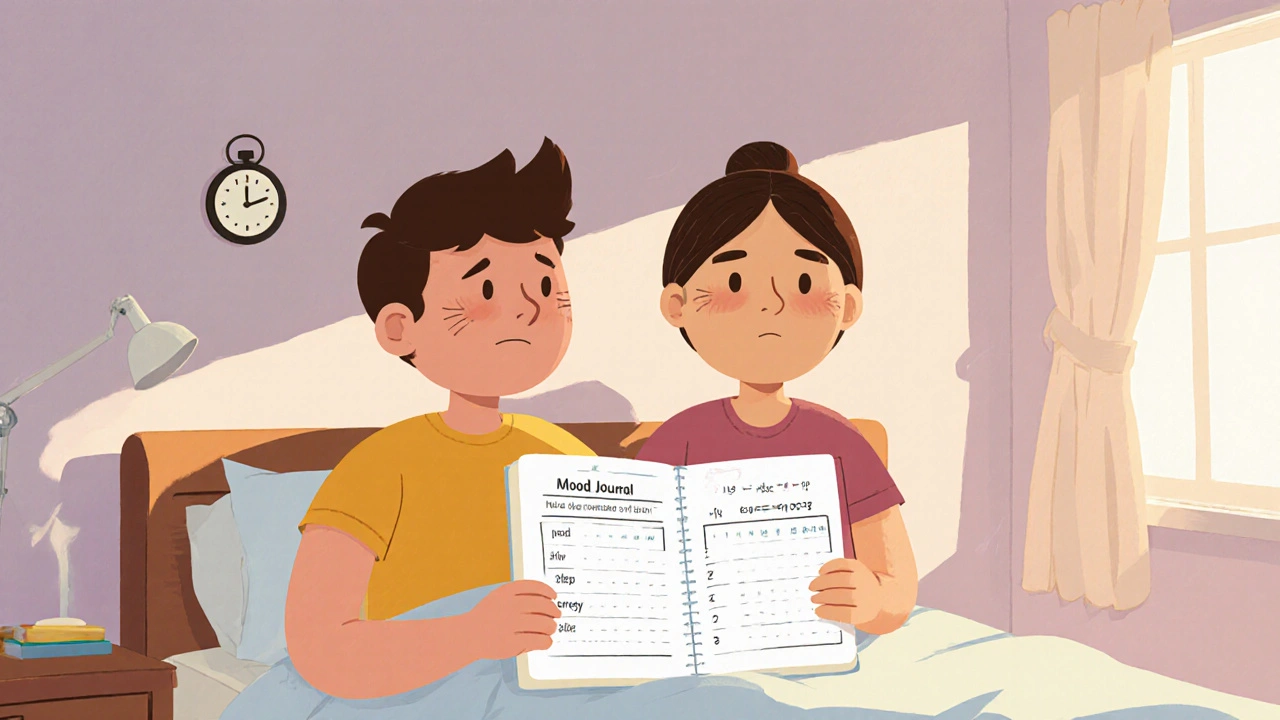
Psychiatric medications can help teens with depression and anxiety-but they also carry a risk of increasing suicidal thoughts, especially early in treatment. Learn how to monitor for warning signs, when to act, and what protocols actually work.
Read more