Chemotherapy drug interactions can be dangerous, even deadly. Learn which medications, supplements, and foods can interfere with cancer treatment-and how to stay safe during therapy.
Read more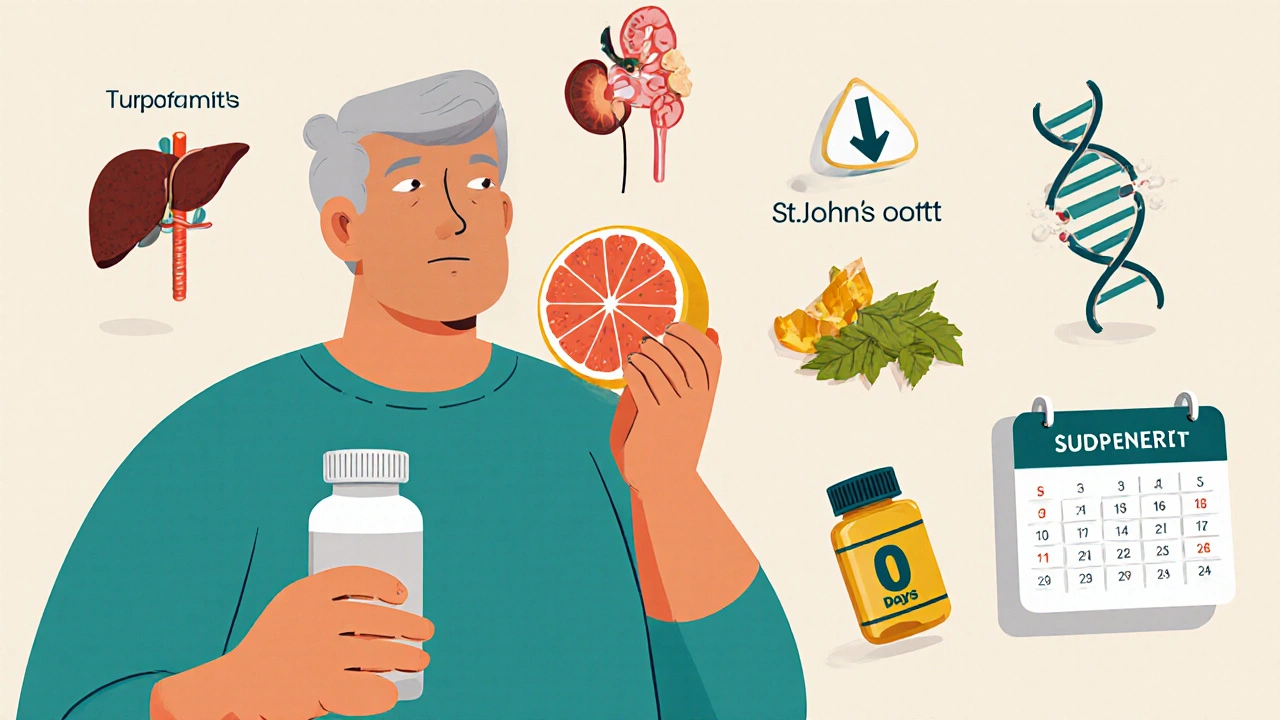
When you're undergoing chemotherapy, a type of cancer treatment that uses drugs to kill fast-growing cells in the body. Also known as chemo, it's a powerful tool against cancer—but it doesn't work in isolation. Many people don’t realize that the other meds they take—whether for blood pressure, pain, depression, or even heartburn—can interfere with how chemotherapy works. These are called chemotherapy drug interactions, when two or more drugs affect each other’s absorption, breakdown, or effectiveness in the body. They can make your treatment less effective, or worse, cause serious harm like liver damage, extreme fatigue, or dangerous drops in blood cell counts.
These interactions aren’t rare. They happen because chemotherapy drugs are processed by the same liver enzymes—like CYP3A4 and CYP2D6—that break down common medications. For example, if you’re taking a common antifungal like ketoconazole or even grapefruit juice, it can slow down how quickly your body clears chemo drugs, causing toxic buildup. On the flip side, some antibiotics or seizure meds can speed up chemo breakdown, leaving you underdosed and vulnerable to cancer growth. Even over-the-counter painkillers like ibuprofen or herbal supplements like St. John’s wort can throw off your treatment balance. Your oncologist doesn’t just need to know what chemo you’re on—they need the full list of everything else you take, including vitamins and supplements. A 2023 study in the Journal of Clinical Oncology found that nearly 1 in 4 cancer patients on chemo had at least one risky interaction going unnoticed.
It’s not just about pills. Some chemo drugs react badly with certain foods, alcohol, or even other cancer meds. For instance, combining certain taxanes with strong painkillers can spike your risk of nerve damage. Or taking a blood thinner like warfarin alongside chemo can make you bleed more easily. These aren’t theoretical risks—they show up in real patients as unexpected hospital visits, treatment delays, or worse outcomes. That’s why tracking your meds isn’t just good practice—it’s part of your survival plan.
Below, you’ll find real-world examples from patients who’ve dealt with these issues—how they spotted the signs, what changed after they spoke up, and which drug combinations turned out to be dangerous or surprisingly safe. You’ll learn what questions to ask your pharmacist, how to spot early warning signs of interactions, and which common supplements to avoid during treatment. This isn’t just about avoiding mistakes. It’s about making sure your chemotherapy does exactly what it’s supposed to: fight cancer, not hurt you in the process.
Chemotherapy drug interactions can be dangerous, even deadly. Learn which medications, supplements, and foods can interfere with cancer treatment-and how to stay safe during therapy.
Read more