Chemotherapy drug interactions can be dangerous, even deadly. Learn which medications, supplements, and foods can interfere with cancer treatment-and how to stay safe during therapy.
Read more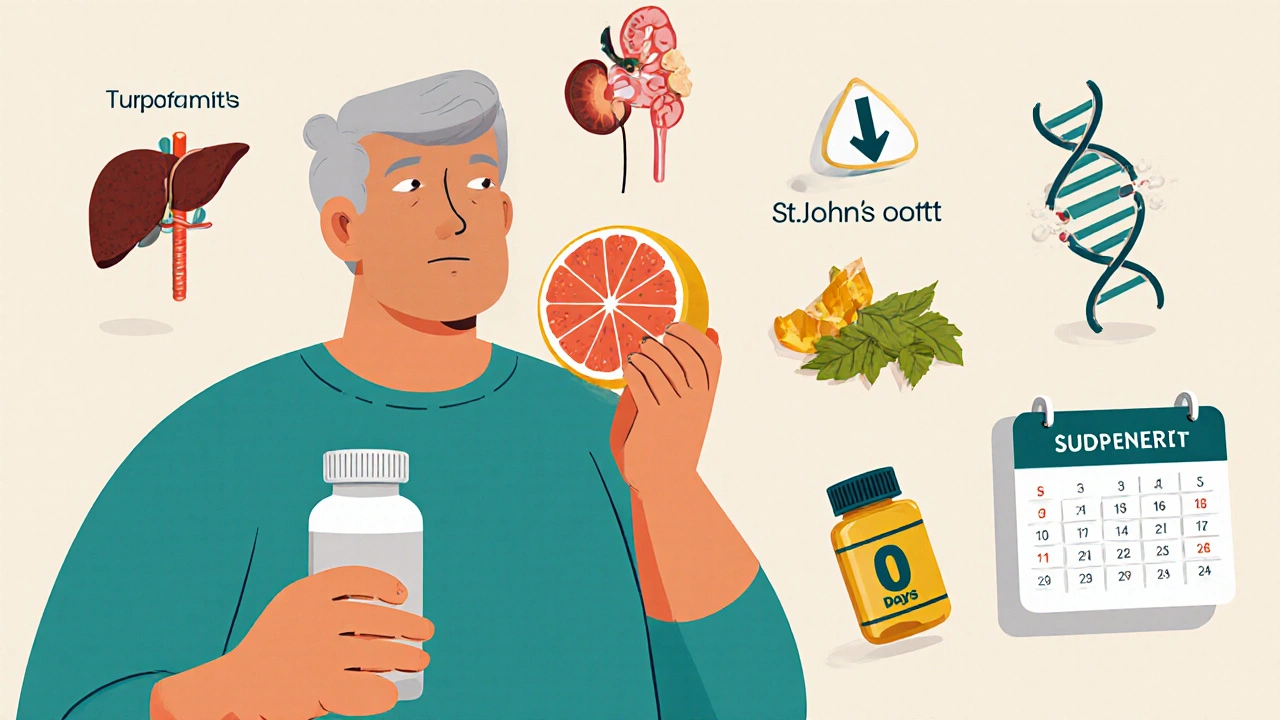
When you're undergoing chemotherapy, a powerful drug treatment used to kill cancer cells, often with serious side effects. Also known as cancer chemo, it works by targeting fast-growing cells—but it doesn’t know the difference between cancer and healthy tissue. That’s why many people turn to supplements, vitamins, herbs, or minerals taken to support health during illness. Also known as nutritional aids, they’re meant to ease fatigue, boost immunity, or reduce nausea. But here’s the problem: not all supplements are safe with chemo. Some interfere with how the drugs work. Others make side effects worse. And a lot of what you hear online is just guesswork.
Take vitamin C, for example. Some people think mega-doses help fight cancer. But studies show high-dose IV vitamin C might actually protect cancer cells from chemo in certain cases. Same with antioxidants like vitamin E and selenium—they’re supposed to protect your body, but they might also shield tumors from the damage chemo is meant to cause. Then there’s echinacea, often used to prevent colds. It can overstimulate your immune system at a time when your body needs to stay calm and focused on healing. And don’t assume natural means safe. St. John’s wort, a popular herb for mood, can drop chemo levels in your blood by up to 30%, making treatment less effective. Even something as simple as grapefruit juice can mess with how your liver breaks down chemo drugs, leading to dangerous buildup.
On the flip side, some supplements have real, research-backed uses during treatment. Ginger, for instance, is proven to reduce nausea better than some prescription meds. L-glutamine helps protect the lining of your gut, which chemo often damages. And vitamin D isn’t just for bones—it’s linked to better outcomes in several cancers when levels are kept normal. But here’s the catch: you can’t guess your way through this. Dosing matters. Timing matters. And your oncologist needs to know exactly what you’re taking—down to the brand and milligram amount. A supplement that’s fine for one person might be dangerous for another, depending on the type of cancer, the chemo drugs used, and your liver and kidney function.
This isn’t about avoiding supplements. It’s about using them wisely. The posts below show real cases: how people managed chemo side effects with targeted support, which supplements actually helped without risking treatment, and what to avoid at all costs. You’ll find guides on managing fatigue with iron and B12, how probiotics can ease chemo-induced diarrhea, and why some people stop taking fish oil before treatment. These aren’t opinions. They’re based on what patients experienced, what doctors recommend, and what the science actually says. You don’t need to be a scientist to get this right. You just need clear, honest info—and the right questions to ask your care team.
Chemotherapy drug interactions can be dangerous, even deadly. Learn which medications, supplements, and foods can interfere with cancer treatment-and how to stay safe during therapy.
Read more