Learn the real risks and safe usage of OTC topical pain relievers like creams, gels, and patches. Discover which ingredients are safe, which can cause burns, and how to avoid dangerous products.
Read more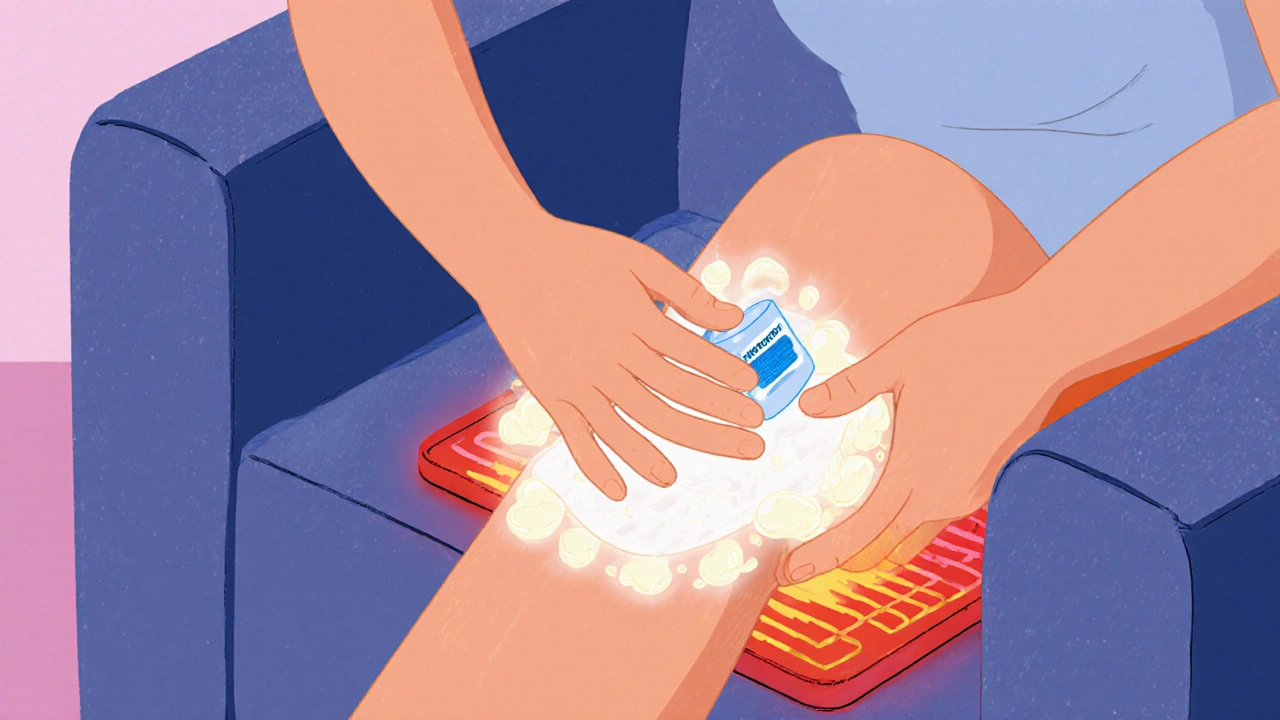
When you rub capsaicin cream, a topical treatment derived from chili peppers that reduces pain by depleting substance P, a neurotransmitter involved in sending pain signals. Also known as chili pepper extract cream, it’s one of the few pain relievers that actually changes how your nerves communicate pain over time, not just masks it temporarily. Unlike pills that flood your whole body, capsaicin cream works right where you apply it—perfect for joint pain, muscle soreness, or nerve pain like diabetic neuropathy.
It’s not a miracle cure, but it’s one of the few over-the-counter options with real science backing it. Studies show regular use for a few weeks can reduce pain by 30% to 50% in people with osteoarthritis or post-shingles nerve pain. The trick? You have to stick with it. The first few applications often burn or sting—that’s the active ingredient working. But that sensation fades as your nerve endings get used to it. People who quit too soon never give it a real chance.
It works best for localized pain, not full-body aches. If your knees hurt, your hands ache from arthritis, or you’ve got tingling in your feet from nerve damage, capsaicin cream can help. It doesn’t fix the root cause, but it makes daily life easier. And because it’s topical, it avoids stomach issues common with NSAIDs like ibuprofen. That’s why doctors often suggest it as a first step before stronger meds.
It’s also used alongside other treatments. People on statins for cholesterol, for example, sometimes get muscle pain—and capsaicin cream can ease that without interfering with their meds. Those with psoriasis or chronic pain conditions find it useful too, especially when other treatments cause side effects. It’s not a replacement for physical therapy or proper diagnosis, but it’s a practical tool you can use at home, without a prescription.
Not all capsaicin creams are the same. Strengths range from 0.025% to 8%. The lower ones are OTC, the higher ones need a prescription. Most people start with the 0.025% or 0.075% versions. Apply it three to four times a day, wash your hands right after, and never use it on broken skin. It’s not for kids under 18, and avoid getting it near your eyes or nose—trust me, that’s a mistake you won’t forget.
What you’ll find in the posts below are real stories and science-backed tips about using capsaicin cream safely and effectively. You’ll see how it fits into pain management plans, what to expect when you start, and how it compares to other topical options like lidocaine or menthol. Some posts even look at how it interacts with other medications, like those for blood pressure or diabetes. Whether you’re new to it or been using it for years, there’s something here that’ll help you get more out of it—and avoid the common mistakes that make it fail.
Learn the real risks and safe usage of OTC topical pain relievers like creams, gels, and patches. Discover which ingredients are safe, which can cause burns, and how to avoid dangerous products.
Read more