Chemotherapy drug interactions can be dangerous, even deadly. Learn which medications, supplements, and foods can interfere with cancer treatment-and how to stay safe during therapy.
Read more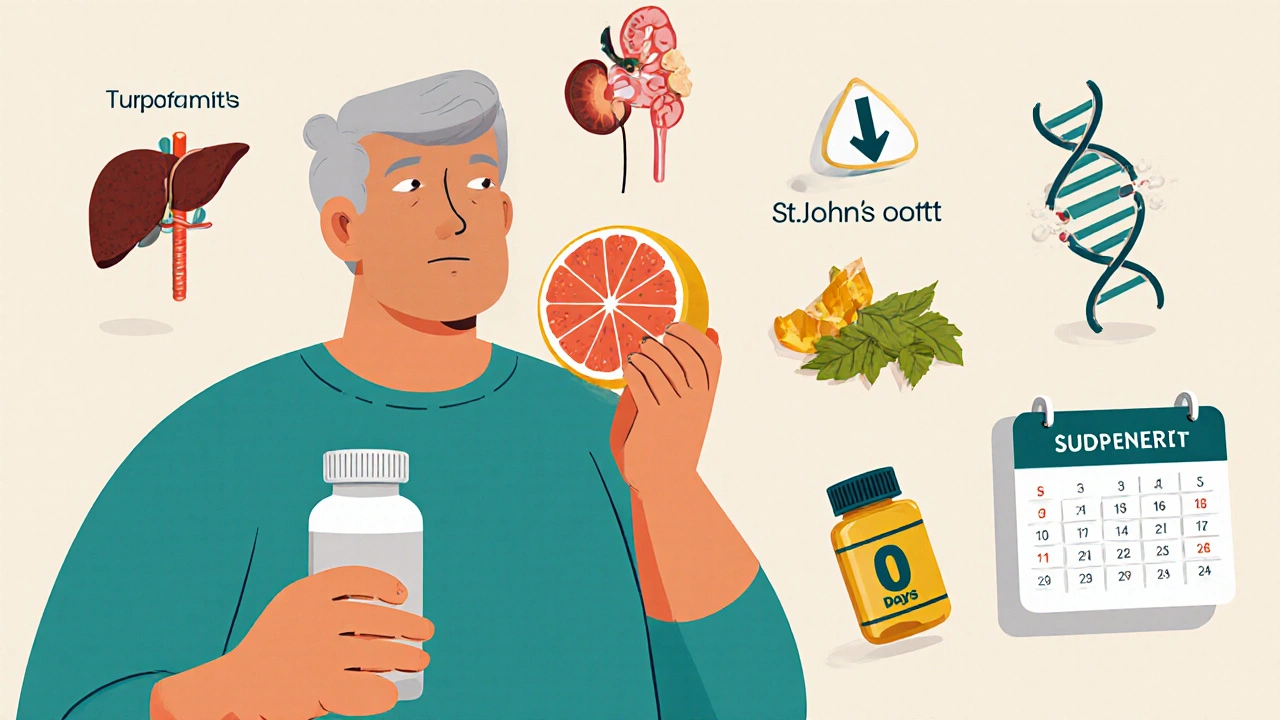
When you're prescribed cancer medication, drugs designed to kill or slow cancer cells, often with harsh side effects. Also known as chemotherapy, these treatments are powerful—but they’re not harmless. Many people assume that if a doctor prescribed it, it’s automatically safe. That’s not true. Cancer medication safety depends on how you take it, what else you’re using, and whether you know the warning signs.
One of the biggest risks isn’t the drug itself—it’s what it mixes with. chemotherapy drugs, specifically designed to target fast-growing cells. Also known as cytotoxic agents, they don’t just attack tumors—they can damage your liver, kidneys, and bone marrow. That’s why taking a common painkiller like ibuprofen or even an herbal supplement like St. John’s wort can turn a safe treatment into a dangerous one. Studies show over 40% of cancer patients on chemo also take other meds or supplements, and nearly half of those combinations haven’t been tested for safety. Your oncologist doesn’t always know what you’re taking unless you tell them. Keep a list. Bring it to every appointment. Don’t assume your pharmacist caught it.
Side effects aren’t just nausea and hair loss. drug interactions, when two or more medications change how each other works in your body. Also known as pharmacological conflicts, they can cause sudden drops in blood pressure, liver failure, or even heart rhythm problems. Some cancer drugs are broken down by the same liver enzyme as antibiotics, antifungals, and even grapefruit juice. A single glass of grapefruit juice can make your chemo dose dangerously high. That’s not a myth—it’s in the FDA’s drug safety alerts. And if you’re on oral chemo pills at home, storage matters. Keep them away from kids, pets, and sunlight. Some drugs lose effectiveness or become toxic if they get too warm.
Monitoring isn’t optional. Blood tests every few weeks? They’re not just routine—they’re lifesavers. Low white blood cell counts can turn a minor cold into a deadly infection. Liver enzymes climbing? That’s your body screaming that the drug is too much. And don’t ignore weird symptoms—tingling in your hands, sudden hearing loss, or unexplained bruising. These aren’t "just side effects." They’re signals. Cancer medication safety means listening to your body as much as following the script.
What you’ll find in the posts below isn’t fluff. It’s real talk from people who’ve been there. You’ll see how one person avoided a deadly interaction by asking the right question. How another caught early signs of nerve damage before it became permanent. How generic versions of cancer drugs can be safe—if you know which pharmacies to trust. This isn’t about fear. It’s about control. You’re not just a patient. You’re the manager of your own treatment. And knowing cancer medication safety rules isn’t optional—it’s how you stay alive.
Chemotherapy drug interactions can be dangerous, even deadly. Learn which medications, supplements, and foods can interfere with cancer treatment-and how to stay safe during therapy.
Read more