Learn how to tell the difference between manufacturer expiration dates and pharmacy beyond-use dates for compounded medications. Know when your medicine is still safe-and when it’s not.
Read more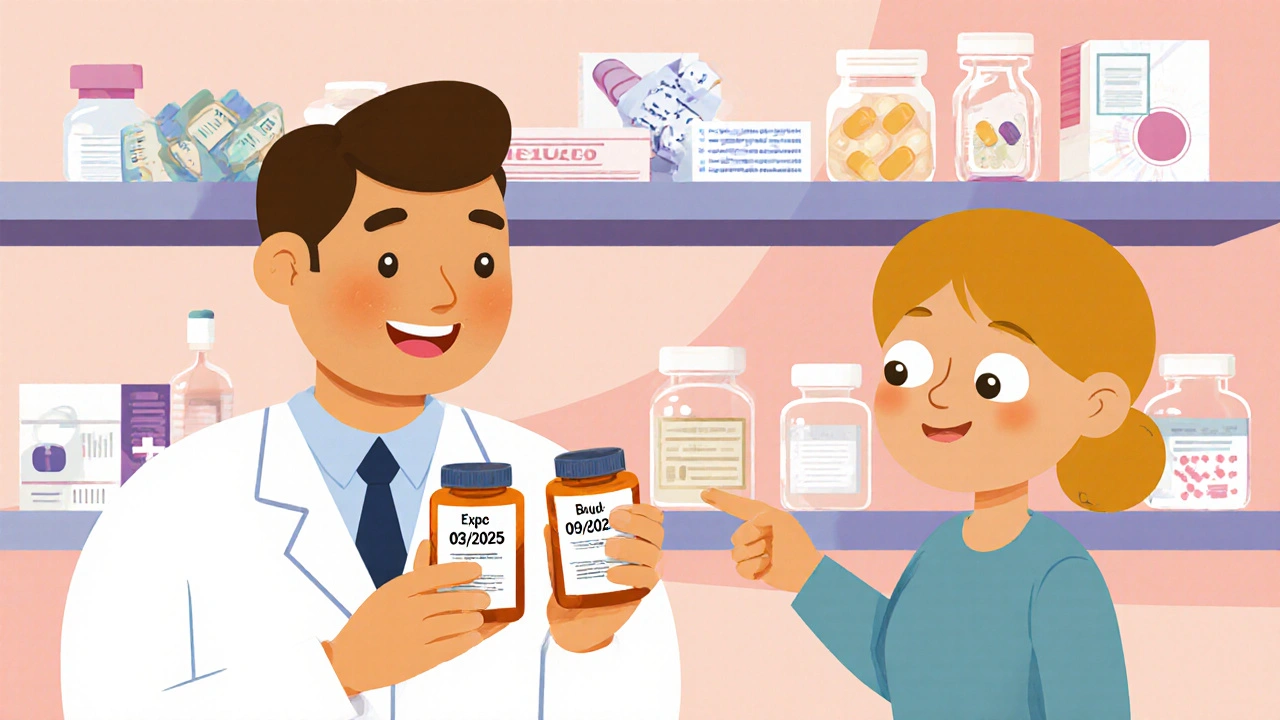
When you pick up a prescription or buy over-the-counter drugs, you might see a date stamped on the bottle that isn’t the manufacturer’s expiration date—that’s the beyond-use date, the date by which a medication should no longer be used after it’s been opened, mixed, or repackaged by a pharmacy. Also known as beyond-use dating, it’s not just a suggestion—it’s a safety rule set by pharmacists to make sure your drugs still work and won’t harm you. Unlike the original expiration date printed by the drug maker, which applies to sealed, unopened containers, the beyond-use date changes based on how the medicine was handled. A pill bottle you get from the pharmacy might have a beyond-use date of 6 months from when it was filled, even if the bottle says it’s good for 5 years. That’s because once you open it, expose it to air, moisture, or heat, the chemical stability can drop fast.
Why does this matter? Because storage conditions, the environment where you keep your meds—like temperature, humidity, and light exposure directly affect how long a drug stays safe. Sterile injectables, eye drops, and liquid suspensions are especially sensitive. For example, if you leave your insulin in a hot car or your antibiotic syrup on a steamy bathroom counter, the beyond-use date could be cut in half—or worse, the medicine could grow bacteria. The pharmacy labeling, the printed instructions and dates on your prescription container is your real-time safety guide. Pharmacists calculate this date using FDA and USP guidelines, factoring in how the drug was compounded, what container it’s in, and how you’re supposed to store it at home.
Many people think if a pill looks fine and smells okay, it’s still good. But that’s not how it works. Drugs don’t always spoil with visible signs. A painkiller might look perfect but lose 20% of its strength after 90 days past its beyond-use date. That’s not just ineffective—it can be dangerous if you’re relying on it for chronic conditions. This is especially true for antibiotics, heart meds, or insulin. You won’t always know you’re getting less than what you need until it’s too late. And if you’re buying generic drugs online—like those mentioned in posts about generic Paxil or cheap Tylenol—you have even less control over how those meds were stored before they reached you. That’s why beyond-use dates aren’t just paperwork; they’re your last line of defense.
What you’ll find below are real stories and science-backed guides on how medications behave after they leave the pharmacy. From how steroid eye drops degrade in heat to why certain antibiotics become toxic over time, these posts show you exactly what happens when beyond-use dates are ignored. You’ll learn how to read your labels, what to do with leftover meds, and how to spot when a drug might be past its safe window—without needing a pharmacy degree.
Learn how to tell the difference between manufacturer expiration dates and pharmacy beyond-use dates for compounded medications. Know when your medicine is still safe-and when it’s not.
Read more