Antidepressants in Teens: What Works, What Risks, and What You Need to Know
When antidepressants in teens, medications prescribed to treat clinical depression in adolescents. Also known as SSRI antidepressants, they are among the most commonly prescribed treatments for teen depression, but their use comes with important warnings and real-world trade-offs. About 1 in 5 teenagers will experience a major depressive episode before age 18, and for many, therapy alone isn’t enough. Doctors often turn to antidepressants—but not all are equal, and not all are safe without close supervision.
The SSRI antidepressants, a class of drugs that increase serotonin levels in the brain. Also known as selective serotonin reuptake inhibitors, they include medications like fluoxetine (Prozac), escitalopram (Lexapro), and sertraline (Zoloft)—the only antidepressants the FDA has approved for use in teens. These aren’t quick fixes. It can take 4 to 8 weeks to see any change, and during the first few weeks, some teens report increased anxiety or suicidal thoughts. That’s why the FDA requires a black box warning on all antidepressants for this age group. It’s not scare tactics—it’s data. A 2004 FDA analysis found a small but real increase in suicidal ideation in teens taking SSRIs, especially in the first month. That’s why doctors start low, go slow, and demand frequent check-ins.
teen depression, a serious mental health condition marked by persistent sadness, loss of interest, and impaired daily functioning. Also known as major depressive disorder in adolescents, it’s not just moodiness. It’s when a teen stops hanging out with friends, skips school, sleeps too much or too little, or talks about feeling worthless. Left untreated, it can lead to self-harm, substance abuse, or worse. Antidepressants don’t fix the root causes—like trauma, bullying, or family stress—but they can help balance brain chemistry enough to make therapy more effective. That’s why the best outcomes happen when meds are paired with CBT or other talk therapy. The goal isn’t to numb feelings—it’s to give the teen enough stability to engage with life again.
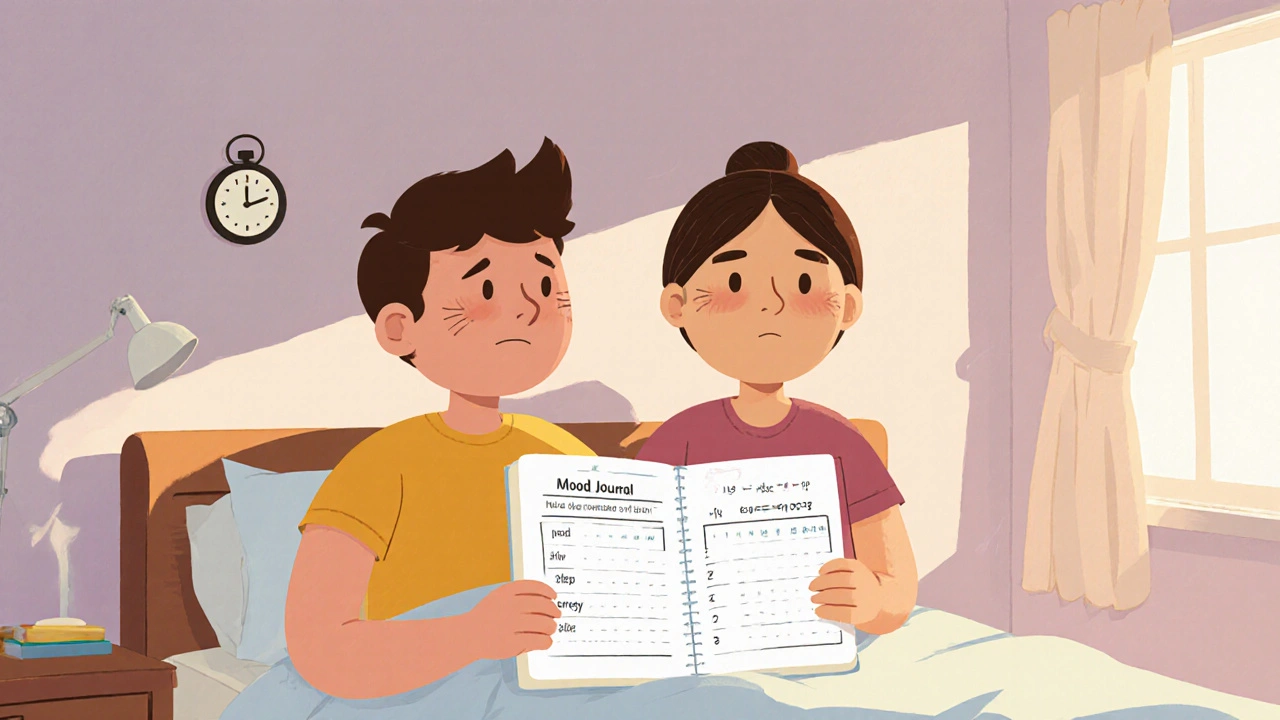
Not every teen needs a pill. Some respond to exercise, sleep fixes, or school accommodations. Others need a different kind of support. But if a doctor recommends an antidepressant, it’s usually because the risks of doing nothing are higher. The key is monitoring. Parents should track changes in mood, sleep, appetite, and energy—not just for improvement, but for warning signs like agitation, withdrawal, or talk of self-harm. The first month is critical. After that, if things are stable, the benefits often outweigh the risks.
There’s no magic drug. What works for one teen might not work for another. Some struggle with nausea or weight gain. Others feel emotionally flat. And some meds, like paroxetine, are linked to more side effects in teens and are rarely first choices anymore. That’s why doctors often start with fluoxetine—it’s the most studied in adolescents and has the best safety record. But even then, it’s not a one-size-fits-all fix.
Below, you’ll find real posts from people who’ve walked this path—parents who learned how to spot the red flags, teens who found the right med after trial and error, and doctors who explain why some treatments fail while others work. You’ll see what the research says about side effects, what alternatives exist, and how to talk to your care team without feeling overwhelmed. This isn’t about choosing between pills and no pills. It’s about making informed, safe, and human choices when a teen’s mental health is on the line.