Learn the truth about buying cheap generic Paxil online. Discover safe, legal ways to afford paroxetine without risking your health or breaking the law.
Read more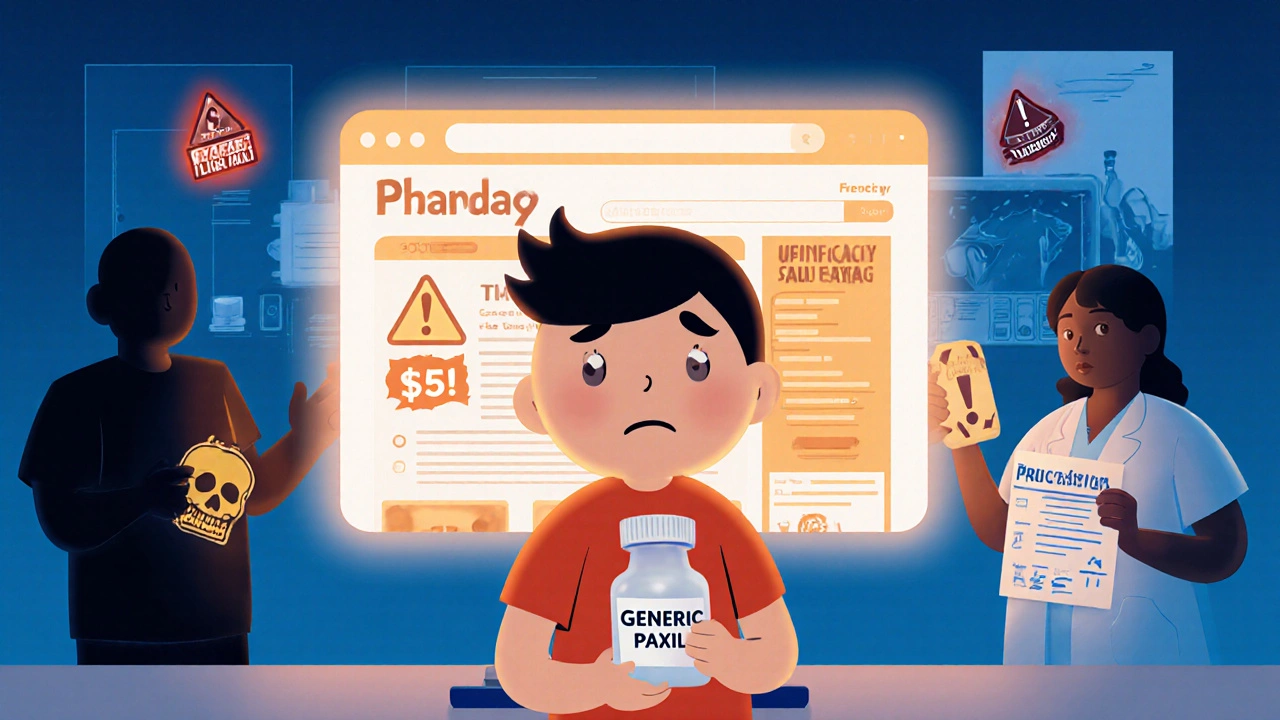
When you’re struggling with depression or anxiety, antidepressant medication, a class of drugs designed to balance brain chemicals linked to mood. Also known as mood stabilizers, it doesn’t make you feel euphoric—it helps you feel like yourself again. Many people assume these drugs are a one-size-fits-all fix, but that’s not true. Different types work differently for different people, and what helps one person might do nothing—or cause side effects—for another.
SSRIs, a common type of antidepressant that increases serotonin levels. Also known as selective serotonin reuptake inhibitors, they’re often the first choice because they tend to have fewer side effects. Drugs like Lexapro (escitalopram) and Zoloft (sertraline) fall here. Then there are SNRIs, drugs that target both serotonin and norepinephrine. Also known as serotonin-norepinephrine reuptake inhibitors, they’re used when SSRIs don’t cut it—like Cymbalta or Effexor. And let’s not forget bupropion, which doesn’t touch serotonin at all. It’s often chosen for people who need energy boosts or struggle with sexual side effects from other meds.
Antidepressant medication isn’t magic. It takes weeks to kick in. Some people feel worse before they feel better. And stopping suddenly? That’s a bad idea—it can trigger withdrawal symptoms like dizziness, brain zaps, or mood crashes. The key is working with a doctor to find the right fit, not just picking the cheapest option. That’s why posts on this page cover real comparisons: Lexapro vs. fluoxetine, how side effects stack up, and why some people switch meds after months of trying.
You’ll also find stories about how these drugs interact with other conditions—like thyroid health, blood pressure meds, or even erectile dysfunction treatments. Turns out, some drugs used for ED might help with OCD symptoms. And yes, some antidepressants can mess with your hormones or make you more sensitive to sunlight. None of this is common, but it’s real enough that you need to know it.
This collection isn’t about pushing pills. It’s about giving you the facts so you can ask better questions. Whether you’re just starting out, switching meds, or tired of paying too much for brand names, you’ll find real talk here—no fluff, no marketing spin. Just what works, what doesn’t, and how to get there without burning through your savings.
Learn the truth about buying cheap generic Paxil online. Discover safe, legal ways to afford paroxetine without risking your health or breaking the law.
Read more