Adolescent Psychiatric Meds: What Works, What to Watch For
When a teen struggles with depression, anxiety, ADHD, or mood swings, adolescent psychiatric meds, medications prescribed to treat mental health conditions in teenagers. Also known as teen mental health medications, these drugs aren’t a quick fix—but when used right, they can help restore balance, focus, and hope. Many parents feel overwhelmed by the options: SSRIs for depression? Stimulants for ADHD? Antipsychotics for severe mood episodes? It’s not about choosing the strongest drug—it’s about matching the right one to the right symptoms, with careful monitoring.
ADHD meds for teens, stimulants like methylphenidate and amphetamines used to improve attention and reduce impulsivity in adolescents are among the most commonly prescribed, but they’re not for everyone. Some teens respond well; others get jittery, lose appetite, or struggle with sleep. Then there’s antipsychotics for adolescents, medications like risperidone or aripiprazole used off-label for severe aggression, bipolar episodes, or treatment-resistant depression. These carry weight gain and metabolic risks, so they’re not first-line unless other options fail. And for mood stabilizers teens, drugs like lithium or valproate used to control extreme mood swings in bipolar disorder, blood tests are non-negotiable—levels need to stay in a narrow range to be safe and effective.
What’s missing from most conversations is how these meds interact with growing brains. Teens aren’t small adults—their prefrontal cortex is still wiring itself. A drug that calms one teen might numb another. Some SSRIs increase suicidal thoughts in the first few weeks. Some stimulants worsen anxiety. And many teens stop taking meds because of side effects, not because they’re cured. That’s why the best outcomes happen when meds are paired with therapy, school support, and regular check-ins—not just a prescription and a refill.
Below, you’ll find real discussions about how these drugs actually work in teens, what the studies show about long-term use, which ones carry hidden risks, and how to spot when a medication isn’t helping—or worse, hurting. No fluff. No marketing. Just what matters: safety, effectiveness, and what to ask your doctor before starting—or stopping—any of these drugs.
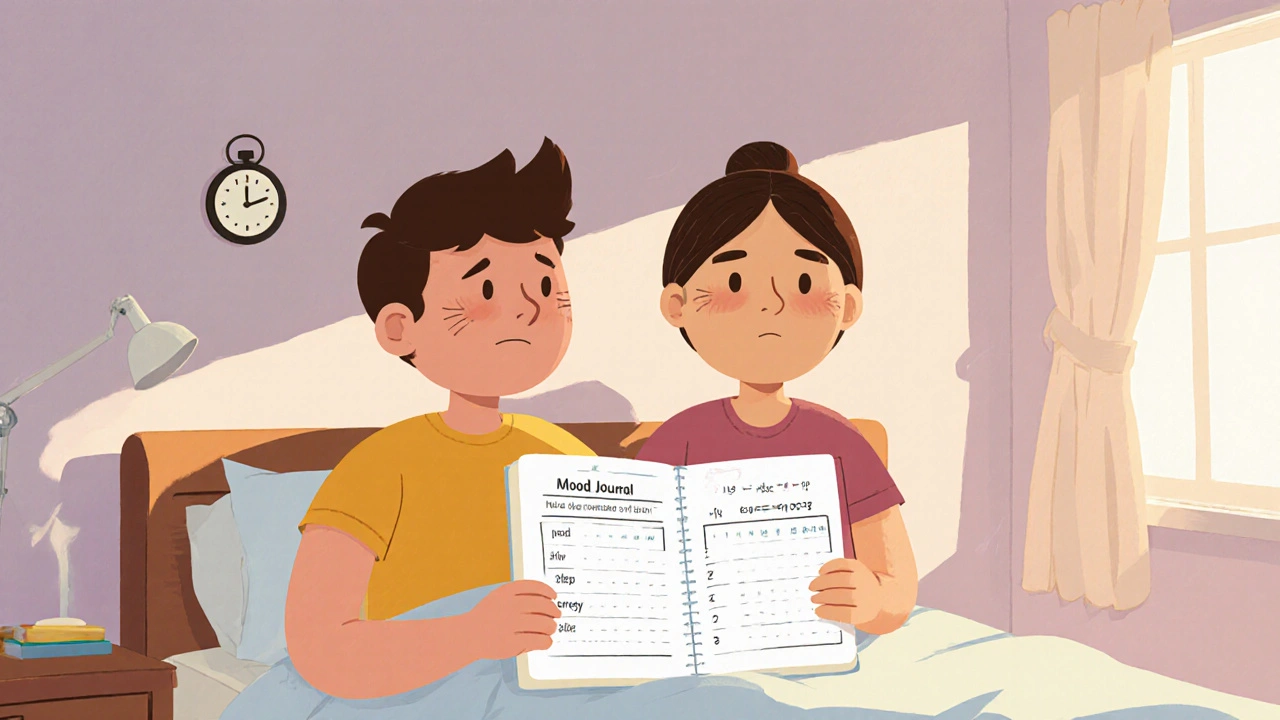
Psychiatric medications can help teens with depression and anxiety-but they also carry a risk of increasing suicidal thoughts, especially early in treatment. Learn how to monitor for warning signs, when to act, and what protocols actually work.
Read more